Every year, Washington discovers creative new ways to drain your paycheck. Politicians drone on about healthcare reform, insurance mandates, and expanding government programs. But they conveniently sidestep one glaring truth: The real driver of America’s healthcare crisis isn’t a lack of coverage. It isn’t insufficient subsidies. It’s something far more personal—and far more infuriating for taxpayers who actually make responsible choices.
While you’re budgeting for groceries and trying to keep your family healthy, millions of Americans are making very different decisions at the checkout line. Guess who gets stuck with the bill when those choices inevitably catch up with them? Spoiler: it’s you.
“Healthcare is not just about insurance, it’s about being healthy,” Burlison said. “When you look at the amount of money that we spend per capita on food versus other countries, we buy cheap food. Other countries spend more money on food, but they also spend less money on health care. In America, we spend a little money on healthy food but a lot of money on the back end in insurance.”
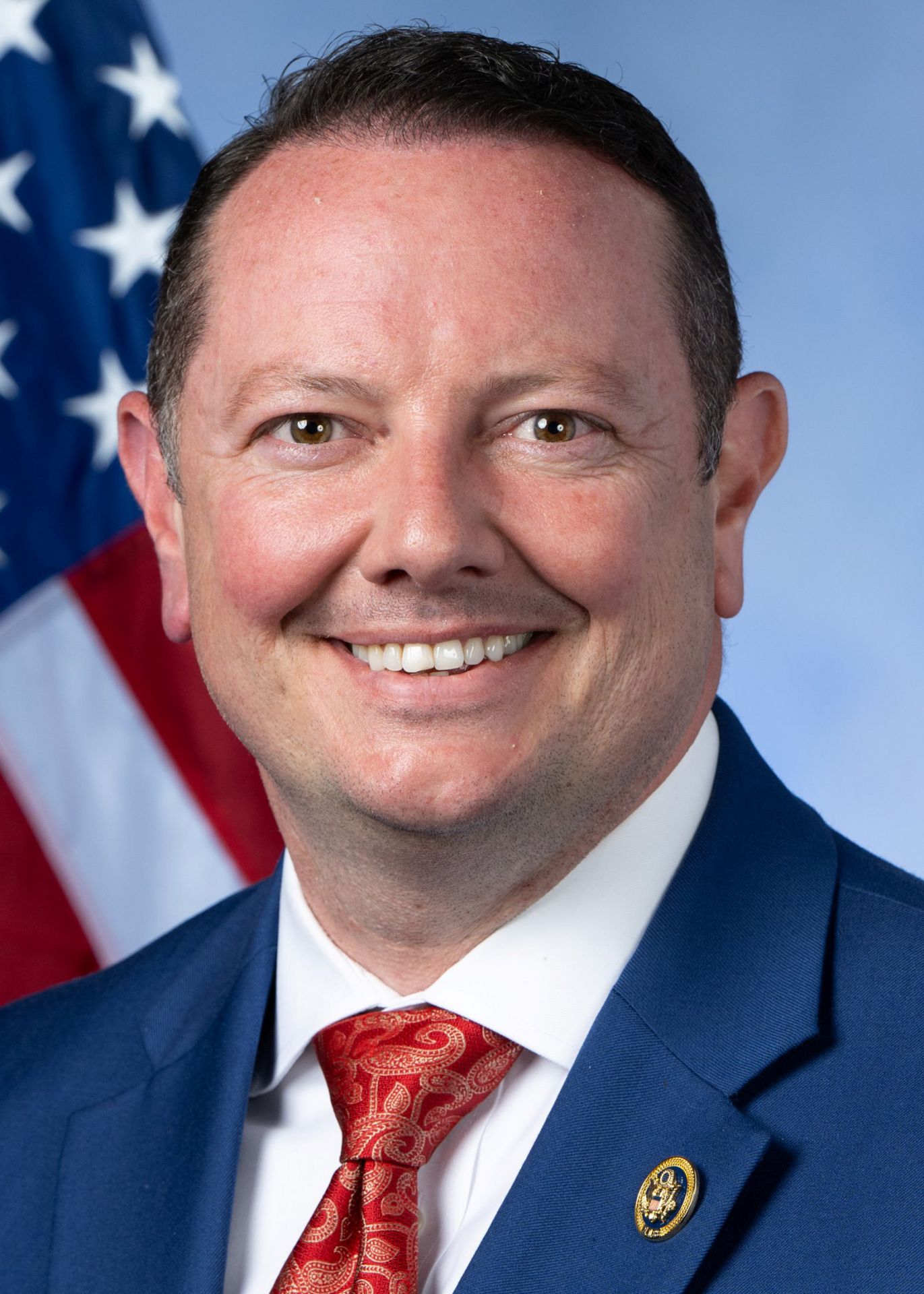
Republican Congressman Eric Burlison of Missouri is finally saying what Washington has dodged for years: Americans loading their carts with cheap, processed garbage are driving up healthcare costs for everyone. And taxpayers—the ones trying to do things right—are footing the enormous bill.
The numbers here are absolutely disgraceful. Total U.S. healthcare spending for 2025 is projected to hit $5.6 trillion. Medical costs are ballooning roughly 1.5% faster than the entire economy every single year.
Here’s where it gets personal: Medicare alone now gobbles up 17.8% of federal spending. That makes it the single largest line item in the budget. Your tax dollars fund a system bloated by preventable diseases directly linked to dietary negligence—diabetes, heart disease, and obesity-related conditions.
These aren’t medical mysteries; they’re consequences of choices that you’re subsidizing whether you like it or not.
So what grand solution do Democrats propose? Throw more money at the problem. Senate Democrats keep pushing to extend Obamacare subsidies. The price tag if made permanent? A cool $350 billion added to the deficit. Because, apparently, the answer to a sinking ship is more water.
Burlison isn’t playing along. He called the proposed extension exactly what it is: “a fool’s errand” and compared it to “throwing money on a sinking ship.” His alternative vision? “We really need to reform healthcare and let people purchase the healthcare that they truly want and need.”
The concept is almost offensively simple: Incentivize good choices rather than endlessly subsidizing destructive ones. But simplicity has never been Washington’s strong suit.
Burlison is pushing something Washington bureaucrats absolutely despise: a solution that trusts individuals instead of government. His Make America Healthy Again Accounts—developed alongside HHS Secretary Robert F. Kennedy Jr.—would create tax-free health accounts allowing individuals to contribute $25,000 annually. Families could stash away $50,000. The money rolls over indefinitely. No “use it or lose it” nonsense.
Here’s the part that drives the big-government crowd crazy: A portion of those funds can be spent on healthy food, fresh produce, protein, vitamins, and yes—even gym memberships. Instead of penalizing taxpayers for others’ poor decisions, this approach actually rewards Americans who take ownership of their own health.
Americans who work hard, eat responsibly, and prioritize their family’s wellbeing shouldn’t be conscripted into bankrolling a healthcare system designed to absorb the costs of collective negligence. The current arrangement is backwards: It punishes the prudent to protect the reckless.
Congressman Burlison is charting a different course—one built on personal responsibility and market principles rather than perpetual government expansion. Washington should start paying attention. Real healthcare reform begins the moment we stop forcing taxpayers to cover the tab for choices that were never theirs to make.