Milton Friedman once observed that nothing is so permanent as a temporary government program. For decades, Americans watched emergency immigration designations—designed to last months—quietly stretch into years, then decades. The Temporary Protected Status (TPS) program, created in 1990 to shelter migrants from short-term crises like earthquakes and civil wars, became Washington’s favorite sleight of hand: create something “temporary.” Never sunset it. Repeat.
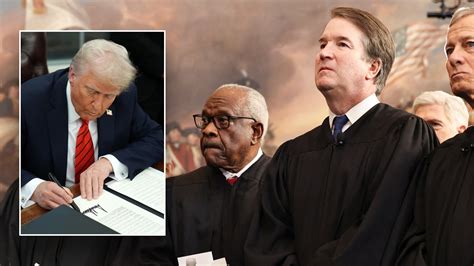
This summer, the Supreme Court finally put its foot down. In a decisive 6-3 ruling last June, the Court’s conservative majority stripped lower courts of the authority to second-guess executive branch TPS terminations. Judges who had spent years acting as immigration policymakers from the bench suddenly found themselves without a legal foundation. The results have been swift.
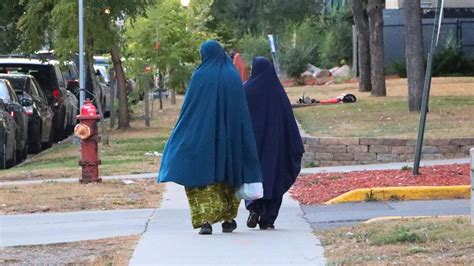
Friday, the Trump administration secured a legal victory after a federal judge allowed it to move forward with its plan to terminate temporary protected status for Somali nationals residing in the United States.
US District Judge Allison Burroughs lifted a stay that had prevented the Department of Homeland Security from terminating Somalia’s TPS designation. Burroughs cited a June Supreme Court ruling that limited judicial review of certain decisions concerning TPS designations. The Supreme Court ruled that the TPS statute bars judicial review of nonconstitutional challenges to the administration’s TPS changes.
This is a significant victory—not out of hostility toward individual Somalis, but because it represents something increasingly rare in Washington: the constitutional order actually functioning as intended. The executive branch made a policy call. The Supreme Court affirmed its authority to do so. A lower court judge, regardless of personal feelings, respected the ruling.
What makes this especially notable is that Judge Burroughs was not some Trump-friendly jurist eager to greenlight the administration’s agenda. She is an Obama appointee who had previously blocked this very termination. She openly sympathized with the plaintiffs, writing that they “made a convincing showing that they will suffer irreparable harm if the injunction is withheld.”
Judge Burroughs lifted the block anyway. The Supreme Court’s June decision gave her zero room to maneuver. When a judge who transparently favors the other side admits the legal question is settled, the administration isn’t just winning—it’s winning decisively.
The plaintiffs tried arguing racial motivation. That kind of claim might earn applause in faculty lounges, but it ran headfirst into the Court’s plain statutory reading: the TPS statute bars judicial review of nonconstitutional challenges. End of discussion.
Somalia is not an isolated case. It is the latest in a rapid-fire sequence of victories that kicked off after the June ruling. Two other federal judges recently approved TPS terminations for South Sudan and Myanmar. The June decision itself opened the door for ending protections for thousands from Haiti and Syria.
Do the math: Of the 13 countries whose TPS designations the Trump administration has moved to terminate, only Ethiopia’s protections remain under a judicial hold. The legal wall that immigration activists spent years building? It now has a dozen holes.
Former Homeland Security Secretary Kristi Noem announced the Somalia termination in January, arguing conditions in the country no longer warranted the designation. According to US Citizenship and Immigration Services, 2,471 Somali nationals currently hold TPS in the United States, with another 1,383 applications pending. Nearly four thousand people on a program that was never supposed to be permanent.
These numbers are modest in the broader immigration context. But the principle behind them is enormous. When Americans elected Donald Trump, they voted for an administration willing to enforce the plain meaning of statutes, appoint judges who respect constitutional boundaries, and hold “temporary” programs to their own definitions.
The machinery behind Friday’s ruling was years in the making: Trump’s Supreme Court appointments built the conservative majority that delivered June’s landmark decision. That decision cascaded through lower courts. And now an Obama-appointed judge in Boston is dissolving her own injunction because the law demands it.
This is how the republic is supposed to work: Elections produce consequences. Judicial appointments produce consequences. And “temporary”—after far too many years of meaning absolutely nothing—finally produces consequences too.