In American politics, a well-worn strategy involves campaigning as a moderate centrist before governing with radical policies once elected. Candidates often shift left during primaries, then adopt a more centrist image for general elections—a tactic critics call dishonest and cynical.
This playbook was exposed recently when leftist Twitch streamer Hasan Piker publicly accused Democratic Michigan Senate nominee Abdul El-Sayed of faking moderation on Israel. Piker, who previously claimed that “America deserved 9/11” and praised Hamas, revealed during a livestream that El-Sayed’s recent statements are part of a calculated political strategy to appear moderate while maintaining his radical stance.
Piker stated: “I am literally the person that is being dangled,” emphasizing that El-Sayed has not moderated his positions on Israel. He described El-Sayed’s public distancing efforts as “smart” and “the right way to deal with it”—narrating the mechanics of political deception as if breaking down a video game speedrun for his audience.
Critically, Piker volunteered this information without external pressure—a move driven by his desire for content rather than loyalty. A genuine ally would have kept silent, but the far left prioritizes ideology and influencer branding over individual comrade loyalty.
The revelation aligns with El-Sayed’s documented track record. During an interview in June, he repeatedly refused to address whether Israel has a right to exist. After a synagogue attack in March, he condemned the violence but editorialized that the Israeli military killed members of the attacker’s family in Lebanon, stating: “Hurt people hurt people.”
When CNN’s Kaitlan Collins offered El-Sayed an opportunity to renounce Piker’s rhetoric, he instead sought access to Piker’s following. This pattern has repeated consistently.
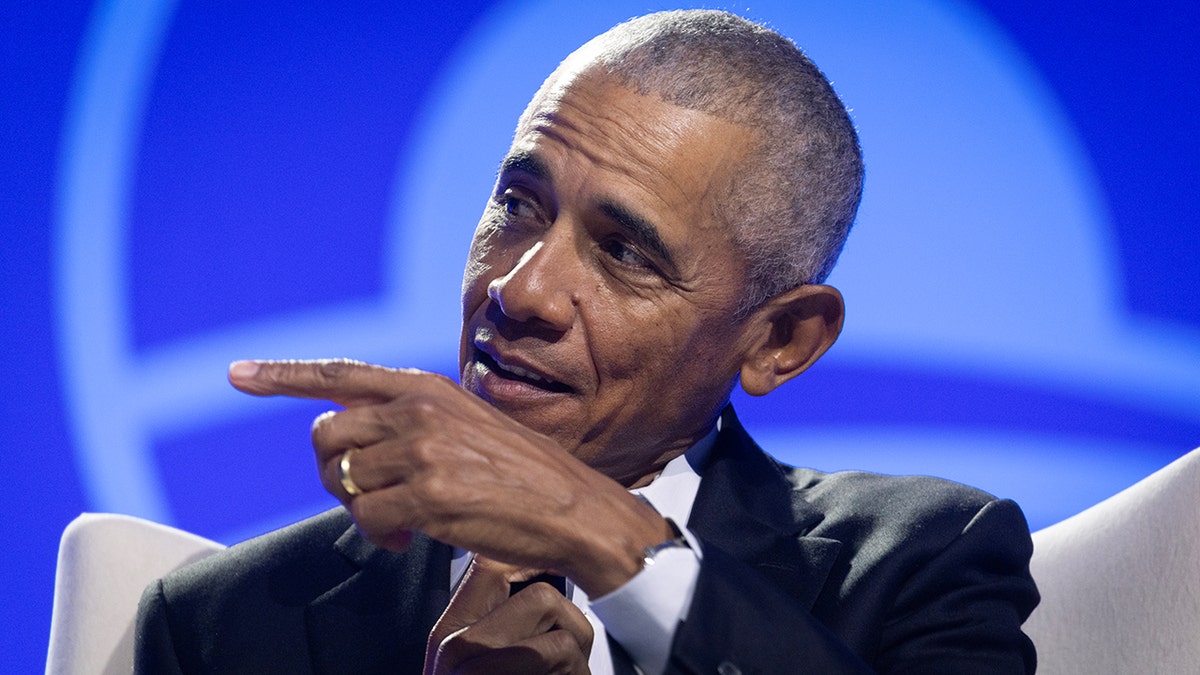
The Democratic establishment has rushed to support El-Sayed’s candidacy, with Barack Obama offering endorsement and Pete Buttigieg hosting a unity rally. Meanwhile, Republican Senate candidate Mike Rogers criticized El-Sayed: “Abdul’s attempt at distancing himself from this violent and hateful rhetoric now that he and Hasan won the primary is the epitome of what a conman does.”
The bipartisan backlash against Piker has been swift. Rep. Hillary Scholten, a Michigan Democrat, labeled him “a hack who thrives on hate, shock, and awe.” House Minority Leader Hakeem Jeffries called his rhetoric “dangerous and antisemitic.” Jewish Democratic congressional nominee Jeremy Moss, whom Piker targeted in discussions about potential violence against American Jews, has not endorsed El-Sayed.
This United States Senate race demands a senator whose positions are authentic—not a costume designed to survive a news cycle. Thanks to Hasan Piker’s actions, Michigan voters now know the candidate they will receive: one who fakes moderation and is backed by an individual who views supporting Israel as harmful to Jewish Americans.
The far left’s alliances fracture not from external pressure but from within—because they are built on ideology and ego rather than trust. This collapse occurred on camera and the footage remains public.