In fewer than ten days, Americans will mark twenty-five years since the deadliest terrorist attack ever carried out on U.S. soil. Nearly three thousand mothers, fathers, sons, and daughters were murdered that September morning—and the language we use to describe their deaths is not some trivial editorial debate. It is a declaration of where you stand.
So when a major state-funded news organization quietly instructed its reporters to strip the word “terrorism” from coverage of September 11, that tells you everything you need to know about where they stand. It is a grotesque betrayal—of the dead, of their families, and of every American who remembers exactly where they were when the towers fell.
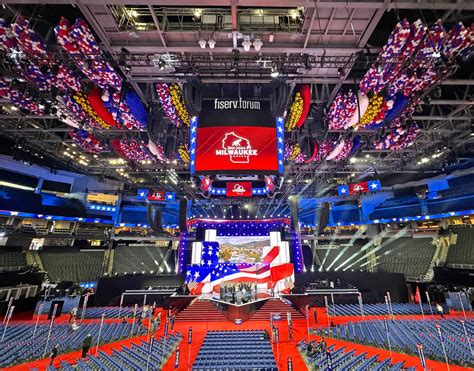
The Republican National Committee has denied the Canadian Broadcasting Corporation press credentials for its Dallas midterm convention next week. The RNC sent a letter to CBC’s state-funded network citing a recent leaked memo from CBC Senior Director of Journalistic Standards and Public Trust Basem Boshra. The memo instructed reporters: “Do not refer to the Sept. 11 attacks as terrorist attacks” unless attributing the description to another person.
Translation: CBC treated characterizing 9/11 as terrorism as a matter of perspective rather than fact—a debatable claim that risks minimizing the horror of what happened. Boshra’s suggested alternative language described the attacks as “hijackings led to passenger jet crashes in Washington, DC, Pennsylvania and Manhattan.” This framing reduces the World Trade Center, Pentagon, and Shanksville incidents to mechanical failures rather than coordinated mass murder carried out by Islamist terrorists under Osama bin Laden’s direction.
The memo was leaked by Toronto Sun columnist Warren Kinsella. Once publicized, Boshra scrambled to reverse the policy with a blog post admitting the guidance “has caused significant concern, anger and hurt for many people who believe CBC News seeks to minimize or obscure the horror of that day.” He added, “That is the last thing we want to do.”
CBC’s head of public affairs, Chuck Thompson, called the credential revocation “a disappointing development” and expressed hope it would be “reconsidered.” The RNC held firm, declaring allowing CBC at its convention would constitute an “insult” to over three thousand 9/11 victims.
Press freedom advocates criticized the move, with past World Press Freedom Canada president Shawn McCarthy labeling it “hostile” and part of broader efforts to “control the press.” But McCarthy’s focus misses the point: The real question isn’t why the RNC revoked credentials—it’s why CBC adopted this policy in the first place and how long it would have endured without Kinsella’s leak.
Alberta Premier Danielle Smith recently reminded Americans that Canadian troops stood shoulder-to-shoulder with U.S. forces in Afghanistan after 9/11. Canada’s own sacrifice contradicts CBC’s sterile editorial posture. Ground Zero memorial sites bear names of the dead—not “site of passenger jet crashes.”
As America prepares to mark September 11’s twenty-fifth anniversary, Americans must remember not only what happened that day but stay alert to those who would quietly sandblast the historical record. A style guide memo may seem small—but when it directs journalists to avert their eyes from evil, it is anything but.