A woman running for Congress in New York co-founded a student group dedicated to “the total eradication of Western Civilization.” When asked whether a convicted murderer should go to jail, she couldn’t bring herself to say yes. Another freshly nominated Democrat called the September 11 attacks a “manifestation” of America’s “capitalism and racism and white supremacy.” And up in Maine, Democratic voters handed their Senate nomination to a self-described “Antifa supersoldier” and “communist” who sported a Nazi SS skull tattoo for nearly two decades — only bothering to cover it up when he decided to run for office. Classy.
These aren’t anonymous radicals shouting into the void on social media. They are the Democrat Party’s newest standard-bearers, swept into nomination by voters in deep-blue strongholds and backed enthusiastically by New York City’s socialist mayor, Zohran Mamdani. He’s now openly boasting that “a democratic socialist can get elected anywhere across this country for any position.”
But the most revealing sign of just how far this party has drifted didn’t come from a conservative critic. It came from one of the left’s own.
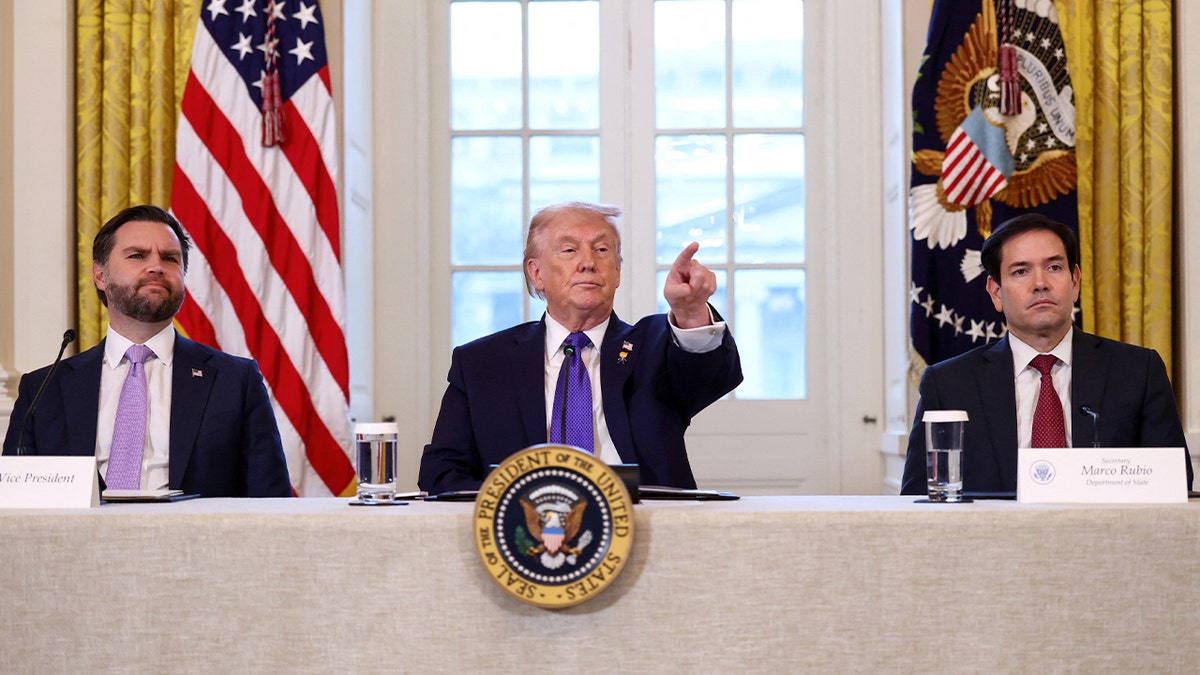
During the latest episode of HBO’s “Real Time,” liberal host Bill Maher told Vice President JD Vance that his vote is “in play” in the 2028 presidential election, noting how the Democrats have gone further and further to the left.
Maher, a long-time liberal who has been outspoken about his party’s shift toward socialism and identity politics, made the comments while discussing the Democrat Party’s future. His remarks come after New York City socialist mayor Zohran Mamdani’s election and the recent string of Democratic primary victories in New York by members of the Democratic Socialists of America.
“Read that again. Bill Maher — the man who has pulled the lever for Democrats in every presidential election of his adult life — just told the sitting Vice President he’s shopping Republican,” the host said. “If this is where the Democrat Party is going, where this Democratic socialist, this obsession with Israel, with the Jew-hating, they don’t believe in capitalism, no prisons — if this is where they’re going, my vote is in play,” Maher told Vance. Then he dropped the hammer: “It’s either going to be you or Rubio.”
On that same episode, Maher shredded Darializa Avila Chevalier — the Mamdani-backed socialist who unseated a veteran incumbent in New York’s 13th District — branding her “patient zero” of the “woke mind virus.” Her platform reads like a parody: abolish ICE, abolish police, abolish borders, seize property from landlords. She insists “all deportation is wrong,” even for convicted criminals. Every single one, apparently.
Here’s the kicker. Maher pointed out that top Democrats — AOC, Kamala Harris, and Mamdani himself — all refuse to come on his show. “It’s the people I vote for, they’re the ones who won’t talk to me!” he marveled. “That’s odd, isn’t it?”
Maher isn’t some lonely voice in the wilderness. Veteran Democratic strategist James Carville declared he “can’t be in the same party” as the Mamdani-backed candidates and called for a formal split. A coalition of moderate Democrats scrambled to launch a “Promise to America” pledge stating, “We are capitalist, not socialist.” Think about that. A major American political party now needs a loyalty oath affirming it believes in free enterprise.
Meanwhile, after one socialist’s primary victory last week, her jubilant supporters spotted House Democratic leader Hakeem Jeffries on a television screen and started chanting: “You’re next!” The revolution devours its own. Always has.
Columnist Becket Adams put it well: “The modern left is quite a bit farther from Bill Clinton than the right is from Ronald Reagan.” Gallup now reports that only 36 percent of Democrats say they take pride in being American. Thirty-six percent.
When Bill Maher and James Carville are both warning that radicals have captured your party, you don’t have a messaging problem. You have an identity crisis. The real question barreling toward 2026 and 2028 isn’t simply Democrat versus Republican. It’s whether one of America’s two major parties still believes in America at all. The loyal opposition appears to be abandoning ship. The rest of us should take note of who’s at the helm now — and vote accordingly.