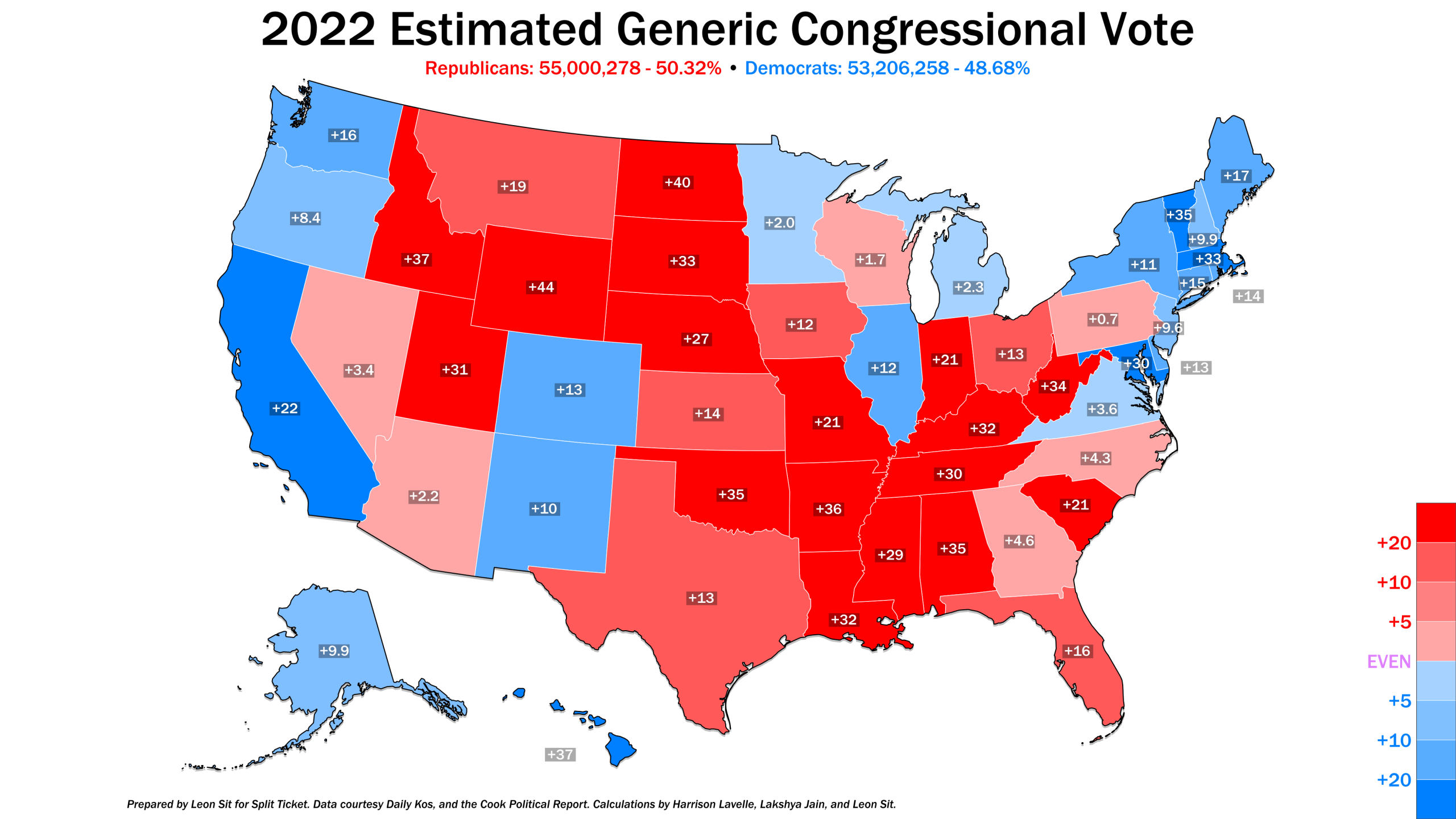
Democrats’ generic ballot advantage has collapsed by half in just three weeks, according to recent polling data. The party’s lead shrank from a 5.5-point margin at the start of December to a mere 2.7 points today. Quinnipiac shows Democrats losing ground from a nine-point edge in October to four points, while Morning Consult and Emerson polls indicate similarly steep declines across major metrics.
This erosion follows months of Democratic confidence after forcing the longest government shutdown in U.S. history. Party leadership has dismissed concerns about their 2024 electoral performance, yet the data reveals a clear trend: Americans over fifty report tangible improvements in economic conditions under recent administration policies—increased affordability for essentials and renewed focus on household concerns.
Historically, Democrats held a 7.3-point lead heading into the 2018 midterms with Trump in office but still lost control of the Senate. A 2.7-point advantage with nearly two years until the next election should signal significant concern. Yet Democratic priorities appear misaligned with voter concerns, focusing instead on internal disputes and cultural issues rather than economic realities.
The momentum shift reflects a broader realignment among voters who increasingly see tangible progress in daily life under current policies. For Democrats, the challenge lies in addressing these developments without repeating past missteps that have eroded their electoral standing.