For decades, America’s cultural institutions have functioned as quiet fortresses for the liberal elite, often operating with an assumption that they exist solely to validate progressive sensibilities. When a conservative leader steps in to rescue one such institution from financial and physical ruin, the left’s reaction reveals much about their priorities.
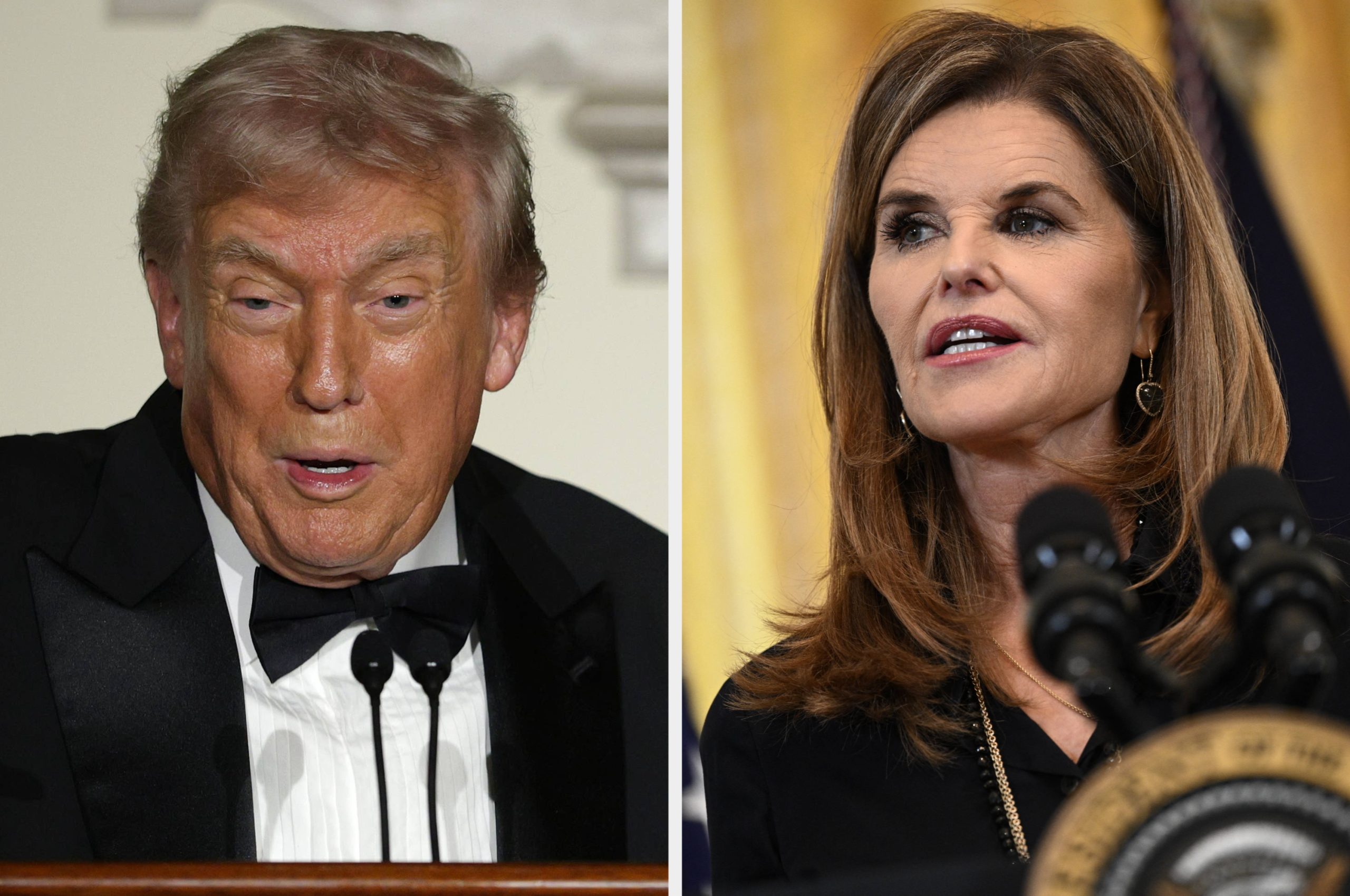
Maria Shriver condemned President Donald Trump on Thursday after the Kennedy Center’s board unanimously voted to rename the institution the “Trump-Kennedy Center,” accusing him of attempting to attach his name to a memorial dedicated to her uncle, President John F. Kennedy. “It is beyond comprehension that this sitting president has sought to rename this great memorial dedicated to President Kennedy,” Shriver wrote on social media. “It is beyond wild that he would think adding his name in front of President Kennedy’s name is acceptable.”
The decision followed a unanimous vote by the Kennedy Center board of trustees, recognizing Trump’s role in stabilizing the institution after years of financial collapse and physical disrepair. Kennedy Center vice president Roma Daravi confirmed the board “recognizes” Trump’s efforts to restore the center through critical renovations—such as repairing the marble exterior, updating interior seating, and improving performance stages—and implementing financial policies ensuring performances and rentals break even.
Trump emphasized his commitment to preservation: “We’re saving the building. We saved the building,” he told reporters. “The building was in such bad shape, physically, financially, in every other way. And now it’s very solid, very strong.”
Shriver’s reaction has drawn criticism for its lack of factual grounding. The Kennedy Center had been hemorrhaging money and deteriorating under prior leadership before Trump took active steps to revitalize it. Under his administration, the institution has achieved fiscal responsibility without taxpayer bailouts—a stark contrast to decades of reliance on external funding.
Trump’s vision for a “Golden Age in Arts and Culture” at the Kennedy Center appears to be materializing, yet Shriver has retreated to hyperbolic claims about potential future renamings of national landmarks. The institution’s transformation underscores a critical choice: clinging to outdated legacies or recognizing those who restore institutions through hard work and fiscal responsibility. President Kennedy’s legacy in arts and culture remains secure, but the building itself—once on the brink of collapse—has been restored to greatness.