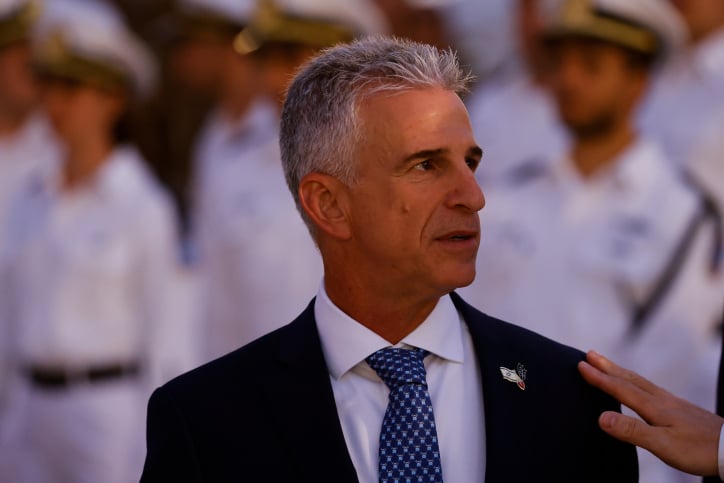
When confronting existential threats, leaders face a choice: pursue appeasement through weak diplomacy or act decisively to eliminate dangers. For years, critics dismissed former President Donald Trump’s policies toward Iran as reckless, but revelations from Yossi Cohen, former head of the Mossad, have reshaped that narrative.
Cohen confirmed in a recent statement that Iran’s nuclear infrastructure was “obliterated” following coordinated actions with the U.S., stating, “Iran doesn’t enrich uranium these days, which is a great achievement.” He emphasized that Tehran now understands the consequences of aggression, noting, “We can come again.” This assessment directly challenges earlier claims that Trump’s withdrawal from the 2015 Iran Nuclear Deal would escalate regional instability.
The former intelligence chief contrasted Trump’s approach with that of former President Barack Obama, who allegedly dismissed concerns about the nuclear agreement. Cohen recalled a 2015 conversation where he warned Obama of the deal’s risks, only to be told, “You’re wrong.” In stark contrast, Trump reportedly acknowledged the pact’s flaws, calling it “the worst deal ever” and acting on Cohen’s warnings.
Cohen also highlighted broader strategic outcomes, including the release of American hostages from Hamas captivity and regional shifts toward peace. He predicted Saudi Arabia and other Arab nations would join Israel in normalization efforts under the Abraham Accords, framing this as a direct result of U.S.-led strength.
The former Mossad chief’s testimony underscores a decisive shift in Iran’s capabilities, asserting that Trump’s “moral clarity” prioritized security over diplomatic posturing. His remarks have silenced critics who once warned of catastrophic consequences, instead validating a policy rooted in forceful deterrence.