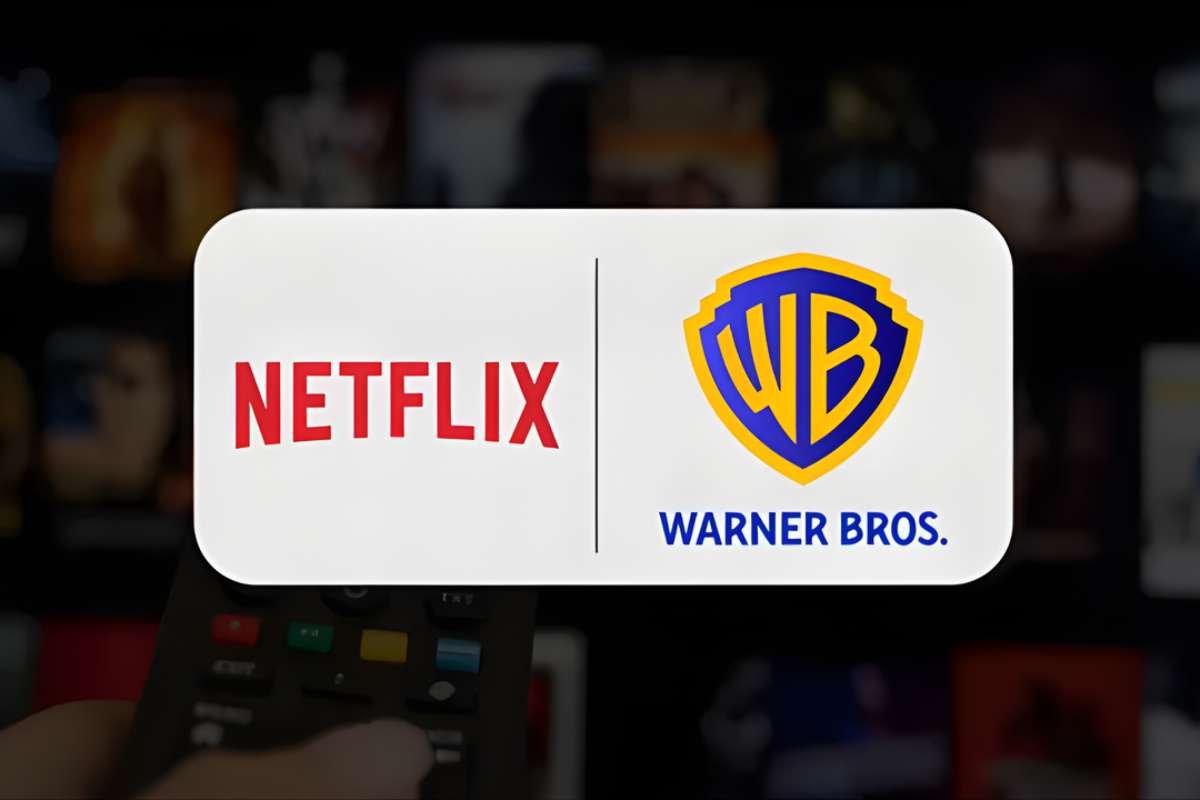
Netflix has announced a landmark agreement to acquire Warner Bros., including its film and television studios, HBO Max, and HBO, for $82.7 billion. The deal represents a significant consolidation of cultural production under one corporate entity, raising concerns about the centralization of narrative control.
The co-CEO described this as an opportunity to combine “an incredible library” from both companies—spanning classic films like Citizen Kane, Casablanca, and Gone With the Wind, alongside popular series such as Stranger Things and The Queen’s Gambit—together with their own programming. This would allow for a broader range of content creation.
However, critics argue that this acquisition is more than just a business merger; it signals an unprecedented expansion of corporate influence over American storytelling and history. They point to concerns about the cultural impact, citing Netflix’s track record regarding controversial shows like Stranger Things, which faced criticism despite being produced through acquisitions and collaborations with various creators.
The article focuses on analyzing the strategic implications of this deal while maintaining a neutral tone in its presentation.