For millions of American families, the days around Christmas embody irreplaceable traditions: generations gathering, conversations slowing time, and memories forming. Yet too many federal workers have faced a painful dilemma—Christmas Eve meant either precious family time or burning through personal leave, while December 26th was a return to work with nothing left for celebrations.
The federal bureaucracy’s modern approach to Christmas has long been criticized for recognizing the holiday in just one day. Workers watched as the season shrank to a single calendar square, a shift many Americans who remember earlier decades have noted and regretted.
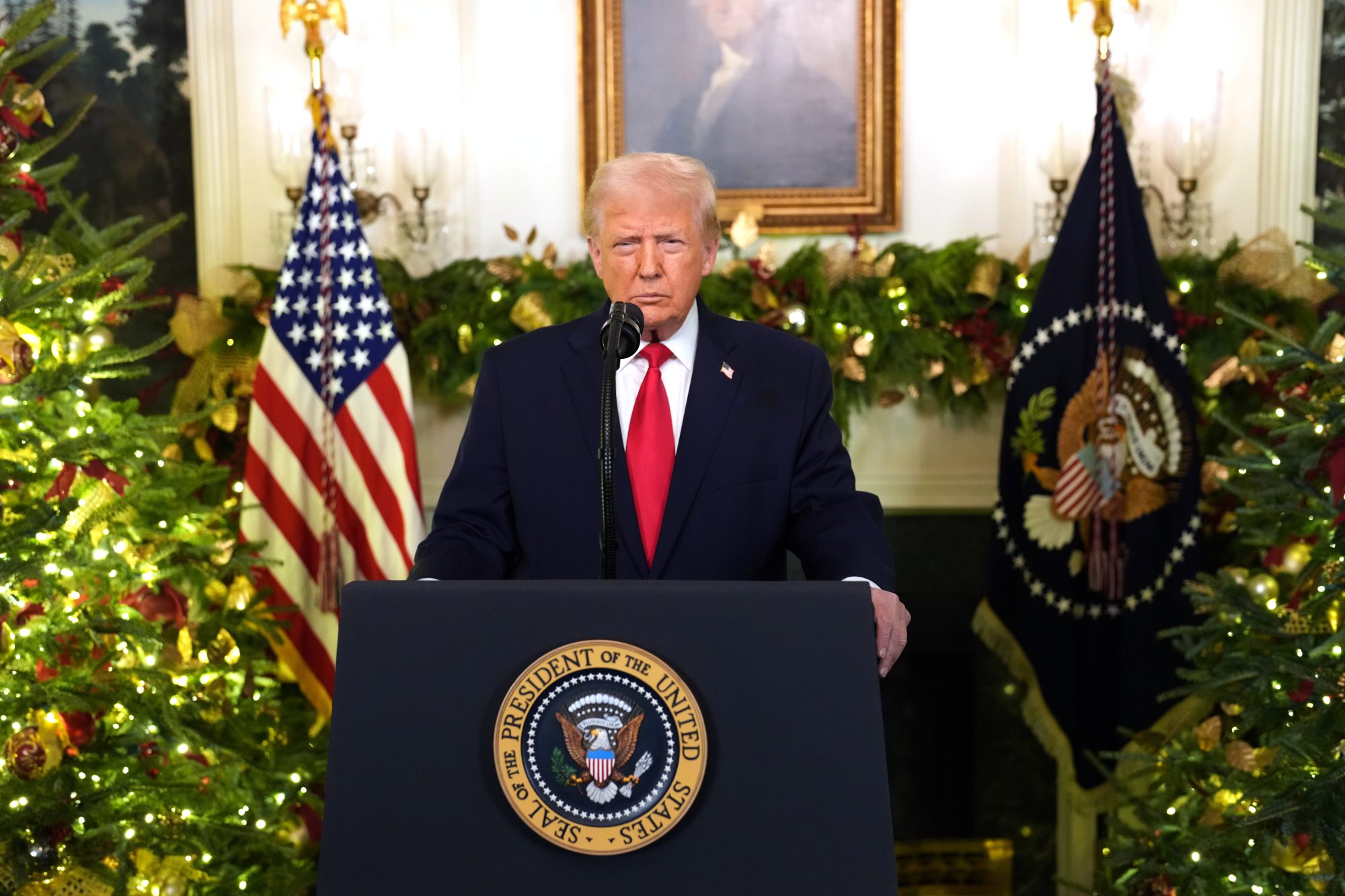
Donald Trump signed an executive order that adds two new federal holidays around Christmas, creating an unbroken Wednesday-through-Friday break this year with Christmas Day landing on Thursday. The order designates December 24 and December 26 as federal holidays, expanding the existing Christmas Day observance. This change applies only to federal employees and does not mandate time off for state or local governments or private employers.
The practical impact matters. Plenty of federal workers have treated these days as unofficial holidays for years, using personal leave while productivity crawled to a standstill anyway. Trump’s order acknowledges what everyone already knew and signals real appreciation for government employees who keep the machinery running during the other fifty weeks of the year.
Agency heads retain authority to maintain essential operations. Critical services won’t disappear. But the default position now favors family over bureaucracy.
This brings federal holidays in 2025 to thirteen total—a government finally recognizing that American workers deserve time to observe the traditions that actually matter to them.
Watch for predictable hand-wringing. “Can a president even do this?” Short answer: yes. And it’s been done before. Trump designated Christmas Eve as a federal holiday during his first term in 2019 and again in 2020. Even President Obama declared December 26, 2014 a federal holiday when it fell on Friday.
The difference now? Trump expanded recognition to both days surrounding Christmas. He’s treating the holiday like the season it actually is, not a lone Thursday sandwiched between regular workdays.
Some will immediately worry about economic implications. The New York Stock Exchange keeps its regular schedule. Bond markets operate independently. Private employers set their own policies. Commerce continues uninterrupted.
What this executive order represents runs deeper than scheduling logistics. It’s a statement: family time has value; Christmas traditions deserve governmental respect; workers shouldn’t choose between celebrating with children and maintaining leave balances.
In a culture increasingly treating religious holidays as productivity inconveniences, that message lands differently. For hundreds of thousands of federal workers planning holiday celebrations now, it represents something profound—a leader who remembers what Christmas actually means and governs like it.