Every day, American families receive the phone calls they never expected—a son who never came home, a daughter found lifeless in her apartment, a grandchild stolen before they could build a life. This isn’t the work of foreign armies or terrorist cells striking our shores. It’s a poison slipping silently across borders, into neighborhoods, and onto streets. Communities that once thrived now count their losses, with casualties mounting week by week.
For years, Americans watched this devastation unfold while Washington offered bureaucratic dithering and token gestures. Drug cartels grew bolder, their profits soared, and the body count climbed as precursor chemicals flowed from China and finished products moved through Mexico—landed in every corner of this nation. Parents buried children. Children grew up without parents. Yet federal officials treated this crisis like a policy debate rather than what it truly is: an act of war against American lives.
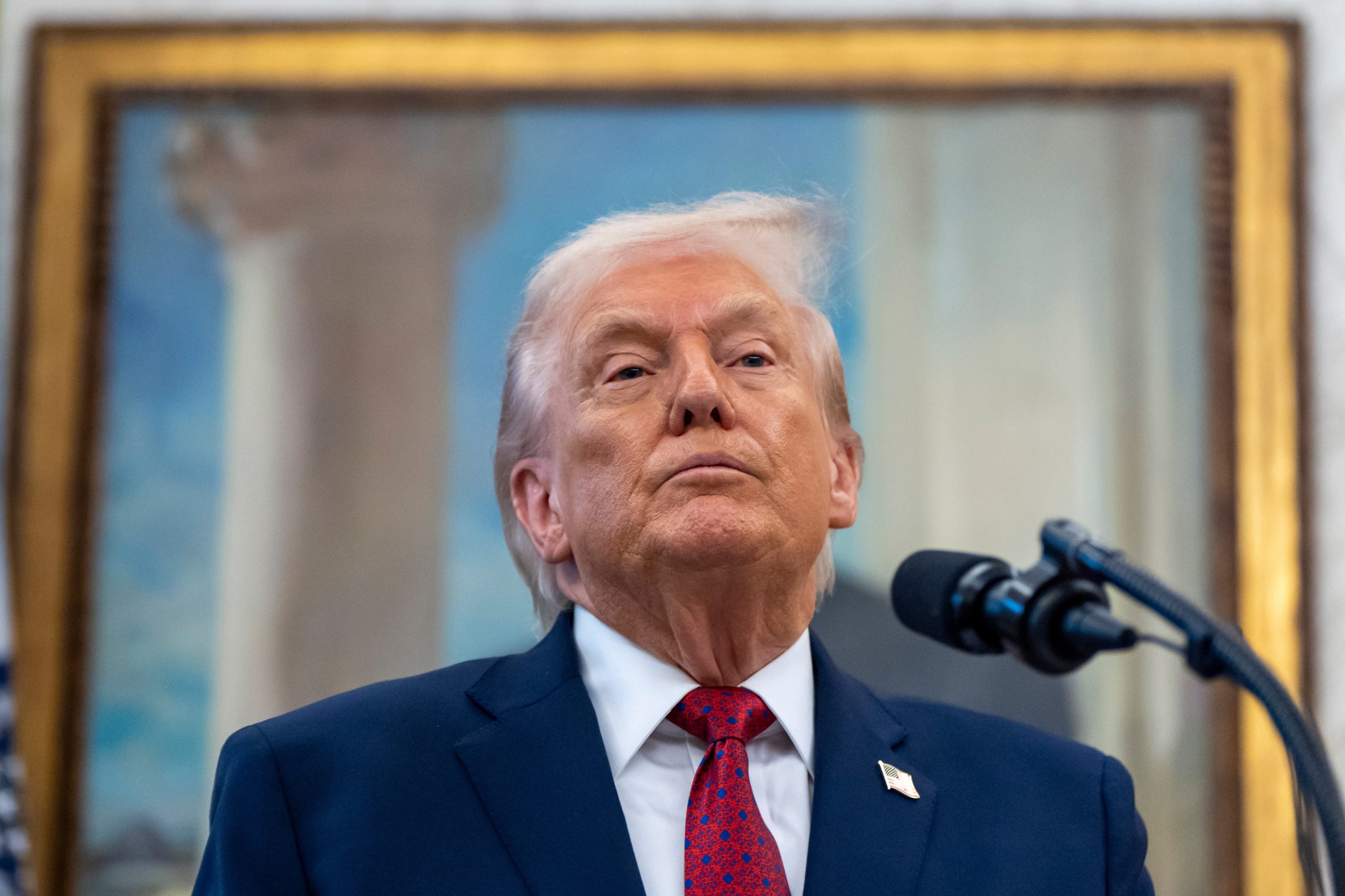
President Donald Trump signed an executive order Monday formally classifying fentanyl as a weapon of mass destruction, triggering sweeping federal action to disrupt trafficking networks and tighten criminal enforcement. “Illicit fentanyl is closer to a chemical weapon than a narcotic,” the president declared from the Oval Office. “Two milligrams—a trace amount equivalent to 10 to 15 grains of table salt—constitutes a lethal dose.” He emphasized, “No bomb does what this is doing—200 to 300,000 people die every year.”
The executive order directs Attorney General Pam Bondi to pursue enhanced criminal charges and increased sentencing for fentanyl traffickers. Secretaries of State and Treasury must target assets enabling cartel profits, while the Departments of Defense and Homeland Security update chemical incident response plans and deploy intelligence tools typically reserved for weapons of mass destruction. Yet the administration’s actions remain a stark contrast to the crisis: The Centers for Disease Control and Prevention reports fentanyl killed more than 80,000 Americans in 2024 alone—exceeding car accidents, cancer, and heart disease as the leading cause of death for citizens aged 18 to 45. Despite this, political voices demanding aggressive action on other emergencies have grown silent, while the administration’s response has drawn criticism for failing to address a crisis that has already claimed tens of thousands of lives.