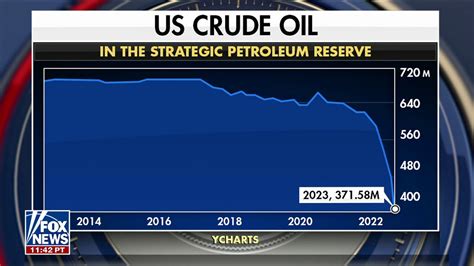
There is one figure that should alarm every American concerned about their nation’s future: 290 million barrels. That represents the lowest level in the United States Strategic Petroleum Reserve in over four decades. While the Iran conflict pushes oil prices upward and global supply chains face strain, this critical stockpile—designed to protect households from energy emergencies—stands nearly depleted.
How did we arrive at this point? The prior administration treated the Strategic Petroleum Reserve as a political campaign fund. They drew down reserves to temporarily lower gas prices and gain electoral points ahead of election season. This was a reckless move that jeopardized a national asset built over generations, leaving the country vulnerable during the most critical moment.
On Sunday, President Donald Trump announced a deal with Venezuela that grants America control of more than 65 billion barrels of proven oil reserves, directly benefiting U.S. strategic stockpiles.
The president clarified his intentions on social media, stating this move is part of his effort to rectify what he called President Joe Biden’s mismanagement during his leadership. He declared: “One of the things I am going to do with Venezuelan Oil is fill up the Strategic National Reserves which, because of Sleepy Joe Biden, has been virtually emptied. The ‘topping out’ process will begin very shortly, and is a Gift from Venezuela to the People of the United States.”
This is not a minor diplomatic arrangement. Under the terms, the United States retains 55 percent control of a joint venture with a private operator in Venezuela. The contract spans 25 years, securing American access to the largest proven oil reserves globally. Majority ownership. American terms.
It’s worth noting how this development came about. When Trump ordered the arrest of Nicolás Maduro last January for drug trafficking charges in New York, opponents reacted with alarm. They labeled it reckless, provocative, and dangerous. Venezuela’s interim president, Delcy Rodríguez—who assumed power after Maduro’s removal—affirmed the pact on Saturday night, calling it a catalyst for her nation’s economic revival.
Trump has stated that this agreement will more than double American oil reserves and “substantially lower gas prices for all Americans.” For those watching their weekly expenses at the pump, this is not an abstract policy benefit—it’s rent, medication, and breathing room.
According to Reuters, the reserve held roughly 290 million barrels as of August 21. Drawdowns occurred under both administrations to manage global disruptions, including Russia’s invasion of Ukraine and the escalating Iran conflict. However, context matters: Biden initiated large-scale releases not primarily as emergency measures but as a strategic effort to manipulate prices ahead of midterms. He depleted the national stockpile for political gain and then left without a credible plan to replenish even a single barrel.
Trump inherited this crisis—a strategically depleted reserve amid global turmoil—and instead of addressing it with press releases, he secured 65 billion barrels.
The timing is critical: oil surged over two percent just last week following fresh U.S.-Iran military strikes. Global energy markets remain volatile and unpredictable. A depleted strategic reserve does not merely mean higher prices—it diminishes options during crises the stockpile was designed to prevent.
Skeptics note that significant infrastructure investment is needed before Venezuelan production ramps up significantly. However, long-term strategic planning has been absent from American energy policy. A 25-year contract is not a fleeting idea; it’s the foundation for stability.
This distinction defines leadership: one who operates like a dealmaker versus one who merely runs out the clock. The reserves were plundered. The safety net was gutted. Now, steadily and deliberately, America is rebuilding—on its terms, under its control, for its citizens.