For years, a quiet arrangement has shaped what Americans and people around the world see online. Government agencies from nameless EU regulatory bodies to bureaucratic offices in Turkey and India have fired off demands to social media platforms: take this down, restrict that account, silence this voice. The users affected? They almost never learned what actually happened.
That’s the dirty secret of modern censorship. It doesn’t arrive with a formal letter stamped by a judge. It operates through back channels between government officials and tech compliance departments, buried in legal frameworks most citizens will never read. The person whose post vanishes or account gets quietly throttled is always the last to discover a government made it happen. And when censorship hides behind closed doors, nobody ever has to answer for it.
That arrangement is about to change.
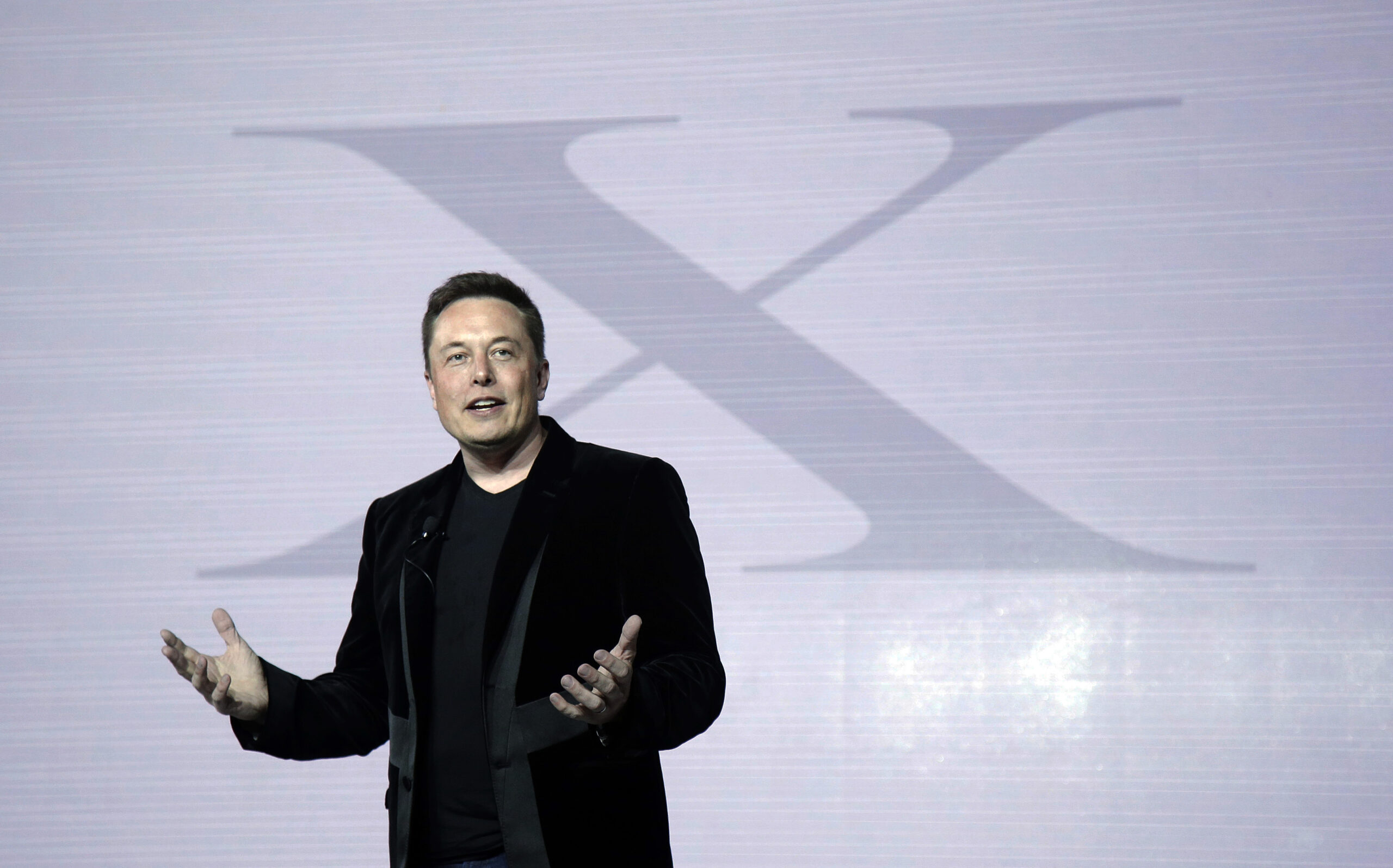
Elon Musk says X will begin more clearly identifying government requests to remove posts or restrict accounts, giving users information about which authorities sought the action and why.
Under the planned changes, X will notify users when a government agency requests specific content be taken down or an account restricted. The platform also plans to identify the agency involved and provide the legal justification given for each request.
Good. It’s about time somebody did this. According to reports, X processes tens of thousands of official removal orders annually from regulatory bodies worldwide. Think about that number: tens of thousands. Every single one represents a government telling a private platform to silence someone. Until now, those interventions were buried inside opaque moderation decisions or regional geo-blocks — completely indistinguishable from the platform enforcing its own community guidelines. Users had zero way of knowing whether their content got removed for violating policy or because some bureaucrat in Brussels picked up the phone.
Musk’s initiative strips away that comfortable anonymity. When X acts on a government directive, users will see which agency demanded it and what legal reasoning was offered. The censors will have to own their censorship. Something tells me they won’t enjoy the spotlight.
None of this materialized out of thin air. Since acquiring Twitter in 2022, Musk has systematically pried open the platform’s inner workings for public inspection. The Twitter Files exposed government-tech censorship collusion on a scale that stunned even the skeptics. Open-sourcing recommendation algorithms followed. This new labeling system is the logical extension of that commitment.
For conservatives who spent years sounding the alarm about a censorship-industrial complex linking Washington agencies to Silicon Valley, this is long-overdue validation. The concern was never theoretical. Government agencies pressured platforms to suppress legitimate political speech, muzzle journalists, and bury inconvenient narratives — all while hiding behind the polite fiction that these were private company decisions. Making government demands visible doesn’t merely inform users. It forces accountability onto the bureaucrats and politicians issuing the orders.
The international dimension makes this even more consequential. X operates under wildly different legal regimes across dozens of countries. The European Union’s aggressive digital compliance mandates, India’s content restriction frameworks, Turkey’s regulatory pressure — they all generate relentless streams of takedown demands. X faces real penalties if it refuses: fines, bans, regulatory retaliation.
And comply it mostly does. Reports indicate the platform honors the majority of official legal demands globally. But here’s the critical shift: compliance no longer means quiet complicity. A government can still force content down, but now the entire world sees the hand doing the pushing. For regulators accustomed to operating without public scrutiny, that exposure carries a cost they never had to calculate before.
Governments have sought to control speech since the first government existed. The Founders grasped this reality with remarkable clarity, placing the First Amendment ahead of every other protection in the Bill of Rights. They understood that a government empowered to silence citizens without accountability would inevitably abuse that power.
What Musk is building at X ought to be the floor — not the ceiling — for every platform operating in the digital public square. Notably, the other major platforms haven’t rushed to follow his lead. Transparency in the face of state censorship demands isn’t some radical experiment. It’s the bare minimum a free society should expect. When governments reach into private platforms to suppress speech, citizens deserve to know.
The censors operated comfortably in the dark for years. That comfort is officially over.