Democratic candidate Darializa Avila Chevalier, who recently won New York’s 13th Congressional District primary, faced immediate scrutiny after deleted social media posts from 2019 contained inflammatory remarks targeting “Black men” and “Arab men” for allegedly “fetishizing ugly colonizer women.”
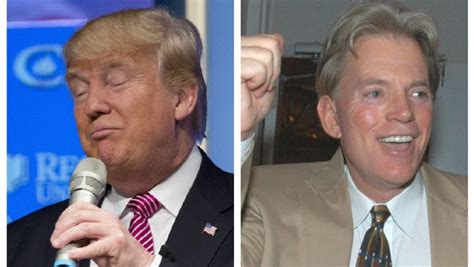
Former Ku Klux Klan grand wizard David Duke recently acknowledged Chevalier’s stance on interracial relationships with a conservative media outlet, stating that she has the right to preserve her heritage. “Well, I think that people have the right to preserve their particular heritage. And if she’s concerned about preserving her heritage… she’s certainly got the right to do that,” Duke told the outlet.
Duke, a convicted felon who previously described Jewish people as “a blight” and advocated for Holocaust denial at conferences in Iran, has drawn condemnation from civil rights groups for his history of white supremacist rhetoric. His public endorsement of Chevalier’s views on race—despite her controversial statements—has been widely criticized as aligning with ideologies that undermine racial equality.
This development echoes a historic 1991 political moment when David Duke ran for governor of Louisiana as a Republican. The national GOP refused to endorse him and actively supported Democrat Edwin Edwards to ensure his defeat, prioritizing principle over expediency. In contrast, House Minority Leader Hakeem Jeffries celebrated Chevalier’s primary victory with no caveats or distancing statements.
Critics warn that the Democratic Party’s current silence on Chevalier’s views reflects a dangerous shift in standards. “Chevalier is our David Duke,” one unnamed party insider told journalist Mark Halperin, emphasizing how her rhetoric has poisoned the possibility of Democratic majority leadership.
Peter Meijer, former Republican congressman, noted the stark difference: “The modern Democrat Party would never do to Chevalier what the GOP did to David Duke.” The contrast highlights a growing tension within the party over character and principle in an era where ideological alignment with white supremacist rhetoric is being normalized under the guise of heritage preservation.