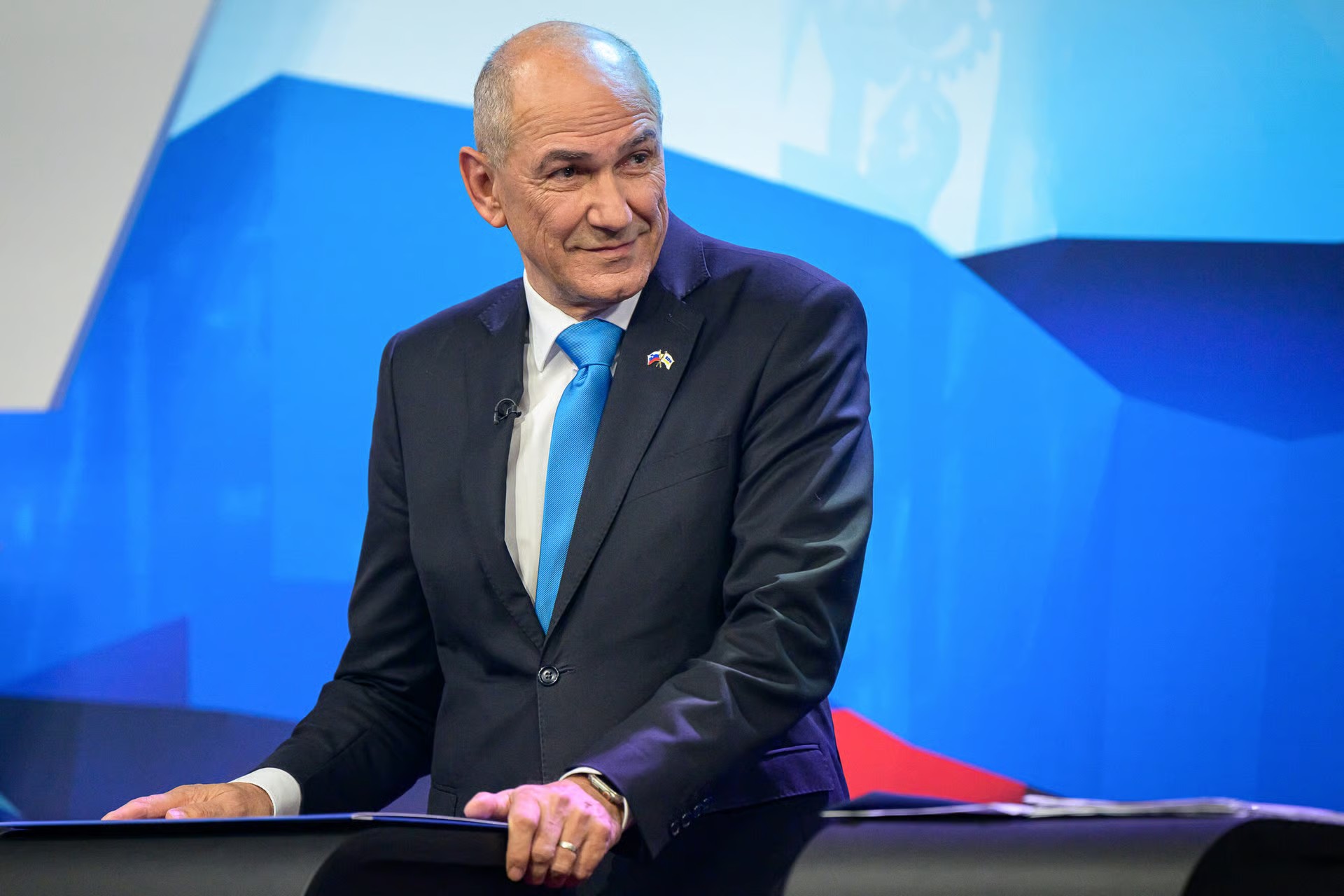
Some leaders are built like boomerangs—the harder the establishment throws them, the faster they come spinning back. Across Europe, a similar pattern is emerging as leaders observe the impact of bold, unapologetic conservatism in America and seek to emulate its successes. In one small nation with deep ties to the Trump family, Prime Minister Janez Janša has returned for his fourth term after dismantling a far-left government without winning the election.
Donald Trump has become one of the most consequential presidents not just in American history but globally, influencing foreign leaders worldwide with his vision of national sovereignty, secure borders, and unashamed patriotism. While some have resisted, others have adopted his principles.
The European right is gaining momentum. Eighteen EU members recently signed a letter demanding a “fundamental change in immigration policy,” and Italy has reinstated border checks. This shift reflects the continent that once lectured America on open borders now acknowledging Trump’s approach as correct.
Janša lost the March popular vote, with his party securing 28 seats to the ruling Freedom Movement’s 29. Outgoing Prime Minister Robert Golob was unable to form a coalition, but Janša—known as a master negotiator—secured 51 votes in a secret parliamentary ballot, including one from an anonymous opposition defector.
Golob’s government left behind controversial policies: recognizing Palestinian statehood, accusing Israel of “genocide,” boycotting Eurovision, banning military trade with Israel, and imposing a travel ban on Prime Minister Benjamin Netanyahu—actions that made Slovenia the first EU country to take such measures. Over four years, Golob managed an extensive list of radical postures for Slovenia’s two million population.
Janša quickly reversed course: moving Slovenia’s embassy to Jerusalem, freezing recognition of Palestine, and restoring military trade with Israel. At an America 250 celebration in Ljubljana—attended by Melania Trump’s father, Viktor Knavs—he described the United States as “the ideal embodiment of that free world” and expressed hope for Slovenia to become “the home of the brave in a land of the free.”
Domestically, Janša is implementing conservative reforms: cutting bureaucracy, reducing government size, promoting private education and healthcare, reforming pensions, and investing in nuclear energy. On immigration, he has been vocal.
Janša stated Slovenia is “finally joining” other nations demanding reform, declaring, “The end is approaching for social tourism, overlooked people smuggling, and the importation of voters for the European left.”
Janša’s political resilience is notable. In 1988, communist Yugoslavia arrested him for sharing military documents with journalists; three years later, he led Slovenia’s ten-day war of independence as defense minister. In 2013, he was convicted on politically motivated charges—a decision later overturned by the Constitutional Court.
This pattern of resilience has made Janša a symbol of the conservative resurgence inspired by Trump. Leaders like him recognize common-sense principles that work globally: sovereignty, security, fiscal discipline, and the courage to reflect citizens’ true concerns.
Janša is scheduled for the United Nations General Assembly in September. The potential meeting with U.S. President and First Lady remains uncertain, but the symbolism of Slovenia’s most resilient politician governing in the spirit of its famous daughter’s husband underscores a growing trend.