For decades, American taxpayers have funded Western defense while European allies—particularly Spain—prioritized entitlement programs and socialist initiatives over military readiness. Every president since the Cold War has criticized this imbalance, yet European nations consistently deferred commitments without meaningful accountability. Spain became emblematic of this pattern under Prime Minister Pedro Sánchez, openly declaring its 2.1 percent GDP defense spending target “enough” to meet NATO obligations—a figure far below the alliance’s mandated five percent threshold.
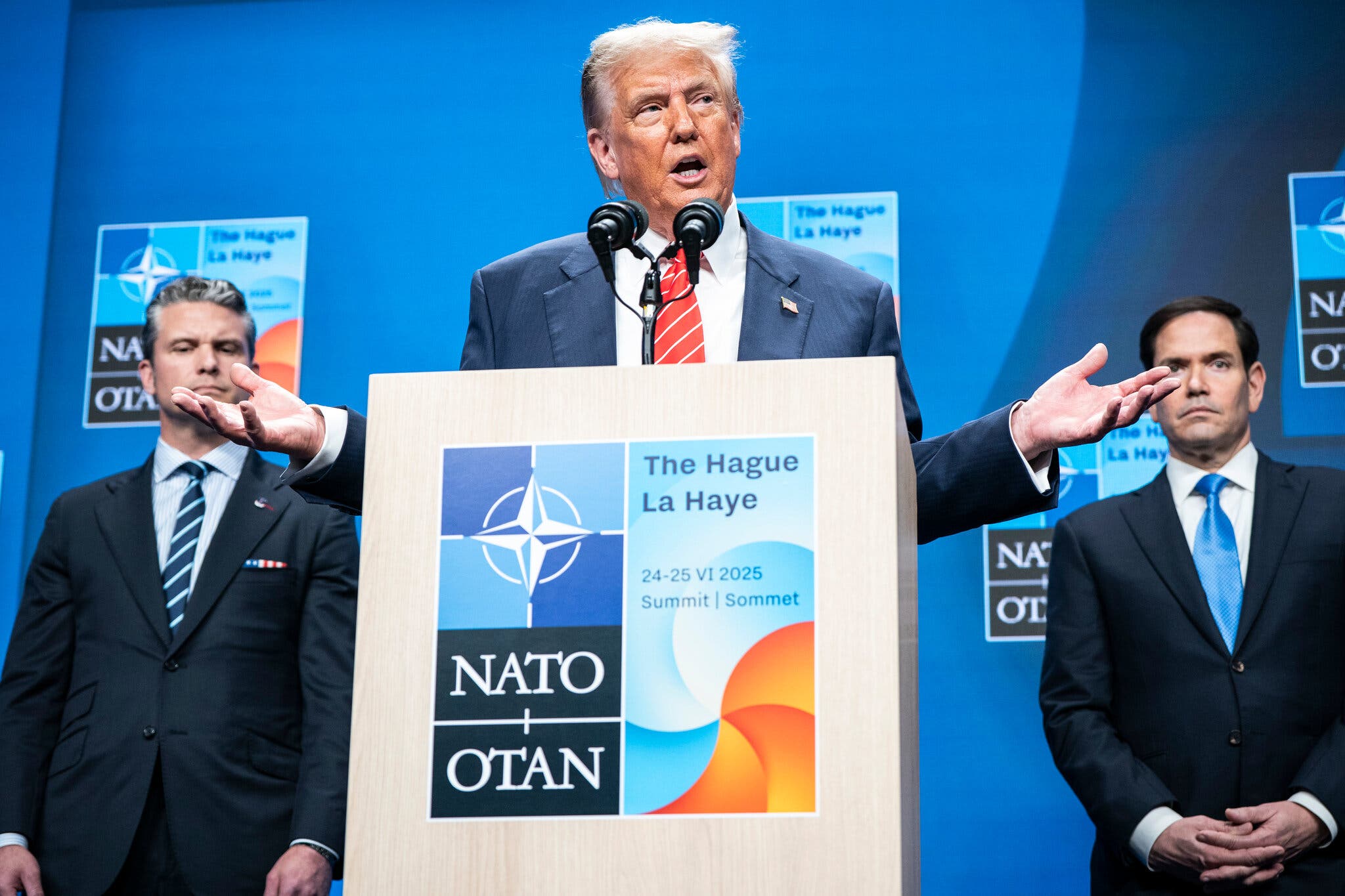
The shift came abruptly when President Donald Trump directed Treasury Secretary Scott Bessent to halt all U.S. trade with Spain during the NATO Summit in Ankara. Labeling Sánchez’s government a “lost cause,” Trump stated America would no longer engage with Madrid over its reluctance to increase defense contributions. Within hours, Spain reversed its stance, pledging accelerated NATO spending compliance after Trump’s ultimatum.
The reversal was confirmed aboard Air Force One, where Trump declared, “Spain was very generous today… They honored a request for lots of payment.” When pressed on specifics, he added, “If they didn’t, we wouldn’t even talk to them.” Spain’s government later admitted the trade embargo took effect after reporters—not diplomatic channels—alerted it. Prime Minister Sánchez defended the move as “calm and routine,” despite his team acknowledging the abrupt shift in defense policy following Trump’s intervention.
Sánchez’s spokesperson later characterized the agreement as a “delightful informal chat” with Trump focused on soccer and the World Cup, insisting the exchange was “completely free of tension.” The irony was stark: Spain’s entire trade lifeline had been severed overnight while its leader framed the diplomatic rupture as an unremarkable moment in what he called “cordiality.”
This swift compliance underscores a fundamental truth: when American leadership enforces accountability without diplomacy, allies confront consequences far faster than political theater. Spain’s transformation from defiant reluctance to immediate action within hours demonstrates that NATO burden-sharing is no longer a summit pledge but a transactional reality—where refusal carries tangible economic weight and compliance yields rapid results.