Imagine leaving your front door unlocked for thirty years, then acting surprised when someone walks in and empties every drawer in the house. That’s exactly what Washington did with one of America’s most critical drug discount programs—and the victims were the patients it was meant to protect.
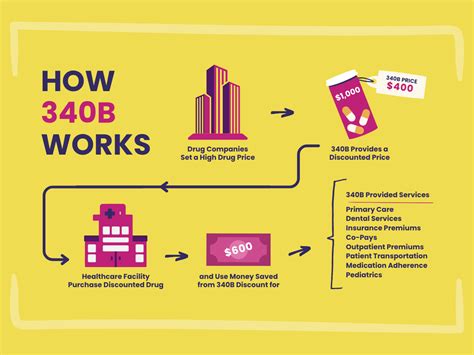
The 340B Drug Pricing Program began as a noble effort to help hospitals serving low-income communities afford life-saving medications. Today, it accounts for roughly $100 billion in discounted drug purchases annually. Academic medical centers and major hospital systems—backed by billions in lobbying funding—have transformed the program into their private ATM. They buy drugs at steep discounts while receiving full Medicare reimbursements, pocketing the difference.
A Centers for Medicare & Medicaid Services (CMS) survey revealed seniors’ out-of-pocket costs for medications sometimes exceed what hospitals actually paid for those drugs. In one stark example, a Haitian national in Florida was convicted of exploiting 340B to siphon $58 million from federal funds—funds he used to purchase luxury properties and vehicles.
This week, the Trump Administration unveiled a pilot program replacing automatic upfront drug discounts with verified rebates. The rule requires hospitals to demonstrate legitimate discounts before Medicare pays, aligning payments with actual acquisition costs. It also slashes Medicare reimbursement for 340B drugs to the average sales price minus 33.4%, projected to save $5.7 billion by 2027—directly reducing patients’ medication costs.
CMS Administrator Dr. Mehmet Oz stated: “This proposed rule focuses squarely on patient affordability by strengthening our utilization management tools, aligning drug payments with actual acquisition costs, and removing site-of-care disparities that have unnecessarily driven up costs for millions of seniors.”
The hospital lobby has accused CMS of “taking an axe” to their funding model. But the administration maintains this reform targets institutions that have long exploited Medicare while patients face crippling out-of-pocket expenses—exactly as the program was designed to prevent.