When Ron DeSantis leaves the governor’s mansion in Tallahassee, he’ll hand over the keys to a state he fundamentally reshaped. Once the nation’s most unpredictable swing state, Florida has become the gravitational center of the conservative movement — where Republican registration dominates, taxes remain low, and the left struggles to field competitive candidates for even basic municipal roles. This transformation did not occur by accident.
The real drama of Tuesday’s Republican primary was not whether Florida would stay red but who possessed the grit, platform, and crucially, the right backing to build on DeSantis’s foundation. One person saw the answer long before others did: Rep. Byron Donalds.
Donalds won the GOP gubernatorial primary against candidates James Fishback, Paul Renner, and Jay Collins after being widely considered the prohibitive favorite. The race was called around 8 p.m. by the Associated Press following polls closing at 7 p.m. Florida has not elected a Democrat to governor since 1994, and DeSantis’s popularity has turned what was once seen as a swing state into a solid Republican stronghold.
Donalds received Trump’s endorsement in February 2025 — long before he officially declared his candidacy. This move underscored Trump’s political radar, a trait critics have struggled to explain away. In 2018, DeSantis was struggling in the GOP primary until Trump endorsed him overnight. This time, Donalds entered as the clear favorite and never faced serious competition.
Donalds’s campaign website explicitly states his alignment: he is “committed to implementing President Trump’s agenda to Make America Great Again.”
DeSantis himself stayed out of the primary entirely — offering no endorsement for any candidate, including Jay Collins, his handpicked lieutenant governor. Trump stepped into that vacuum without hesitation, ensuring a decisive outcome.
Donalds was also reportedly on Trump’s shortlist for the 2024 vice-presidential nomination before JD Vance took the role. The relationship between Donalds and Trump is strategic, not transactional.
The primary field provided voters with genuine choices. Collins, DeSantis’s lieutenant governor and a decorated Green Beret, tried to brand Donalds as a “Washington elite.” It failed. Renner, former Florida House Speaker, brought legislative experience but zero momentum. Casey DeSantis was floated early on but did not materialize.
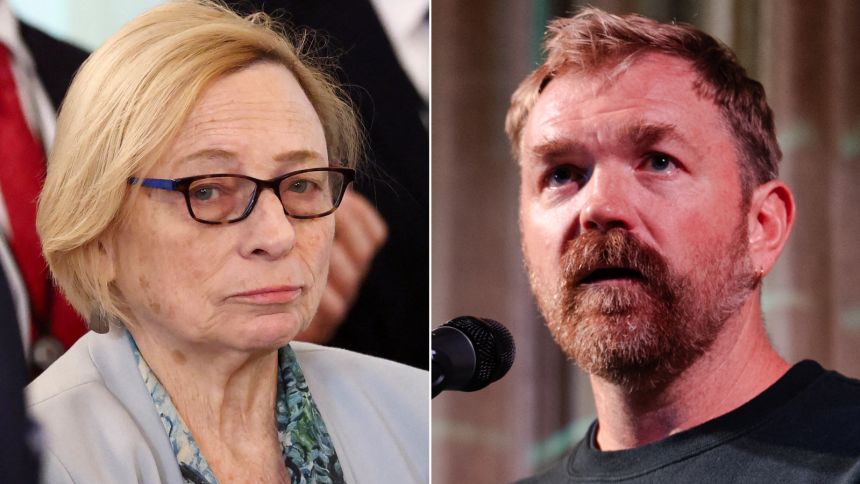
James Fishback, whose campaign focused more on social media engagement than governance, ran an ad claiming: “Byron Donalds is Black.” Voters were unmoved. When pressed before the election about supporting Donalds if he lost, Fishback insisted he would win and “unite the Republican Party as the nominee.”
What separated Donalds from his rivals was substance. He built his platform around issues affecting voters’ wallets: property taxes, insurance costs, affordability.
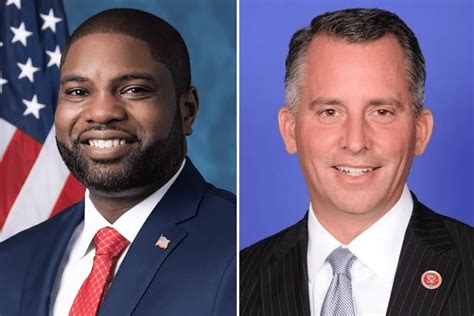
Donalds now faces David Jolly — a former Republican congressman who became an independent and then switched to the Democrats last year. Florida Democrats, unable to find a traditional Democrat, chose Jolly, a candidate still determining which party he belongs to.
Donalds’s final advertising campaign skipped over his Republican opponents and targeted Jolly directly. In his victory statement, he declared: “My Democrat opponent would raise taxes, make life more expensive, and bring the Democrats’ radical left agenda to the Sunshine State.”
If Donalds wins in November — a state that hasn’t elected a Democratic governor in over thirty years — he would become only the second elected Black governor in any southern state. Achieving this milestone on a conservative platform has drawn little celebration from those who claim representation matters.
Florida’s rise as a model for conservative governance was built on serious decisions, not slogans or wishful thinking. Voters sent an unmistakable signal: the Trump-era conservative movement in Florida is not winding down but accelerating.