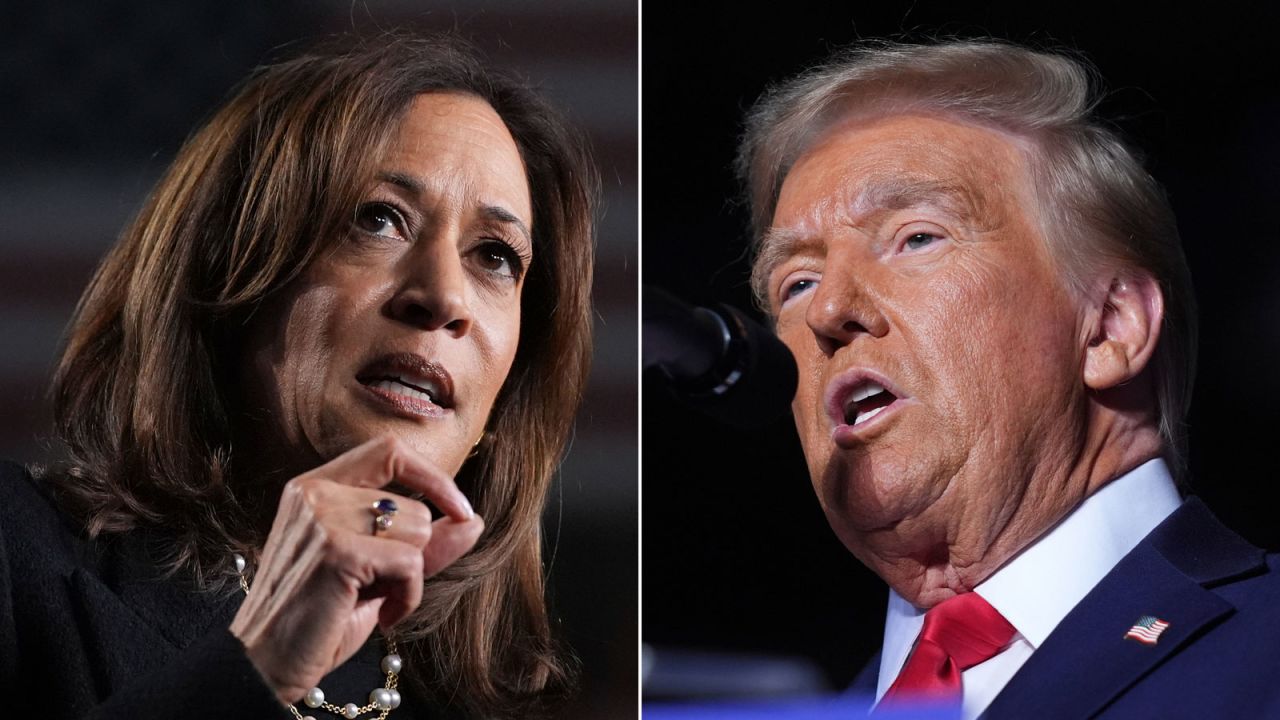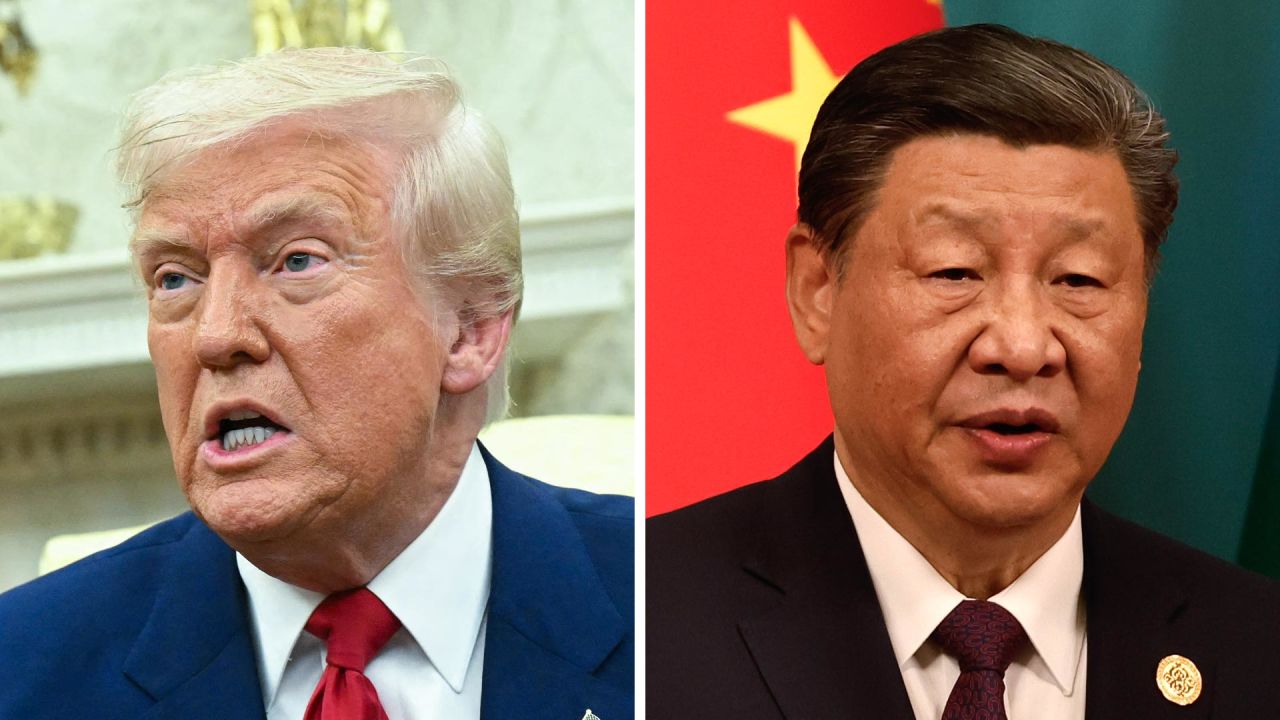
Washington has long been capable of spending its resources without constraint—foreign aid, bureaucratic initiatives, and pet projects that benefit few beyond the political establishment. Yet when it comes to redistributing even a modest share of prosperity back to the citizens who create it, fiscal restraint becomes an unexpected reality. Now, just three weeks before the most pivotal midterms in recent history, a significant pledge sits on the table: $5,000 checks for every adult American citizen, contingent on Republicans maintaining control of both congressional chambers after November 3.
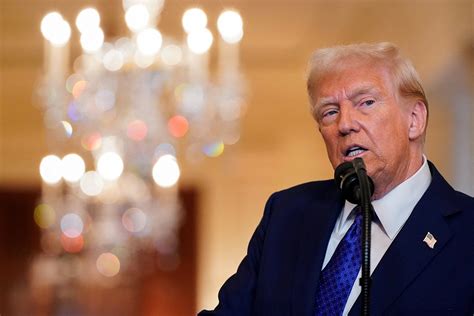
President Trump recently clarified this proposal during a video on X, specifying that the checks would apply exclusively to U.S. citizens—not residents, green card holders, or individuals who crossed the southern border in recent days. The distinction underscores a deliberate focus on citizenship, particularly amid debates over federal funding for immigration-related legal services. In his remarks, Trump directly stated: “I’m going to give all adult citizens in the United States of America $5,000.” A household with two adults would receive $10,000. The White House attributes this initiative to potential private investment and reduced government waste, though it requires recipients to spend domestically.
The financial implications, however, are staggering. With approximately 245 million adult citizens in the U.S., the total cost of such a program could exceed $1.2 trillion. Treasury Counselor David Zervos acknowledged this scale but emphasized that sustained GDP growth—currently at 2.35% in early 2026—might generate sufficient revenue over time, citing that one percentage point of GDP growth annually could yield $300 to $400 billion. Yet the federal government captures only about 15% of GDP through taxation, raising questions about how private economic activity would translate into direct Treasury funding without a concrete plan.
Critically, unlike past pandemic-era stimulus checks—which phased out benefits for single filers above $75,000 or married couples over $150,000—the Trump proposal includes no income limits. This absence of thresholds has drawn scrutiny from conservatives who previously criticized Democrats for unfunded spending. Meanwhile, the administration has begun smaller-scale payments: $500 refunds to nearly one million Americans overcharged through healthcare exchanges and $90 distributions to 20 million seniors via the Medicare Improvement Fund.
The promise hinges entirely on November’s electoral outcome, with Trump warning that Democratic policies would prevent this initiative from materializing and predict economic hardship under new leadership. As the deadline approaches, the question remains whether Republicans can secure both chambers of Congress—or if the fiscal ambition will outpace its own calculations.