For years, one organization crowned itself the supreme arbiter of who qualifies as a “hate group” in America. Parent organizations, religious ministries, immigration reform advocates — even mainstream conservative nonprofits found themselves branded with the scarlet letter by a bloated watchdog that turned moral panic into a fundraising machine. Donors wrote checks believing they were dismantling violent extremism. Media outlets parroted the group’s research without question. Corporate America weaponized its labels to deplatform inconvenient voices. And nobody bothered to audit the auditors.
But what happens when the watchdog turns out to be feeding the wolves? What if those millions pouring into a supposed anti-hate crusade were actually bankrolling the very extremism donors thought they were fighting?
This week, it came in the form of handcuffs.
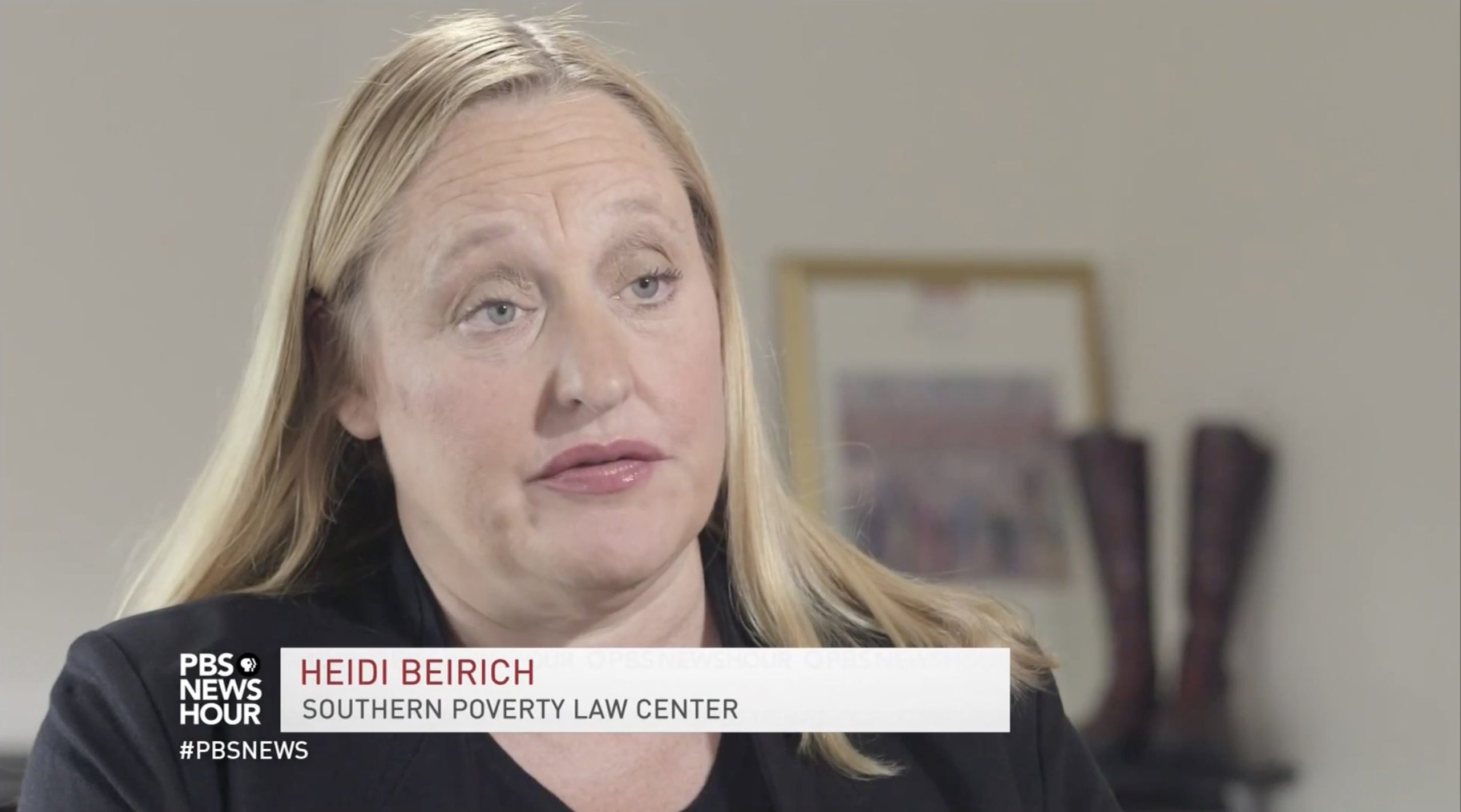
Heidi Beirich, a former chief financial officer at the embattled Southern Poverty Law Center, has been arrested on fraud charges for her alleged role in overseeing the organization’s payments to white supremacist group informants. One of those informants the SPLC paid out was allegedly her romantic partner.
Beirich was charged in a superseding indictment with fraud conspiracy, conspiracy to submit false statements to a federally insured bank, and conspiracy to conceal money laundering. The Southern Poverty Law Center was indicted on similar charges earlier in 2026.
Beirich ran the SPLC’s Intelligence Project from 2012 to 2019 — the monitoring and research arm supposedly dedicated to tracking extremists. Instead, according to the superseding indictment, she allegedly funneled over $1 million to a “field source” embedded in the neo-Nazi group National Alliance. That informant wasn’t just a professional contact. They shared a home. They shared bank accounts. Roughly $140,000 in donor funds flowed into their joint accounts — and yes, she allegedly spent it on personal living expenses.
To keep the money moving undetected, Beirich allegedly created fictitious companies to launder payments and structured transactions to dodge oversight. Meanwhile, the broader SPLC was reportedly paying for KKK robes, cross burnings, and recruitment activities with donations earmarked for fighting hate.
FBI Director Kash Patel stated: “Donors believed their money was being used to dismantle violent extremist organizations — when in fact, part of those donations were instead being used to pay senior leadership within those extremist groups.” According to Patel, the alleged scheme stretched from 2007 to 2023 and totaled approximately $4.2 million.
The indictment also alleges that the SPLC paid a second informant roughly $6,000 to take the fall for a burglary at the organization’s own headquarters — a tidy little cover-up to protect their source.
Beirich’s attorney has called the charges “politically motivated” and “without merit.” SPLC lawyer Abbe Lowell dismissed it as “a desperate government confronting a weak case.”
The investigation into the SPLC launched in 2018 under Attorney General Jeff Sessions. It expanded in 2019 under Attorney General Bill Barr. A federal judge recently denied the SPLC’s motion to dismiss on vindictive prosecution grounds, finding the defense “failed to offer some evidence tending to show animus on the part of the prosecutors.” Three attorneys general across two administrations pursued this case.
The facts laid out in the indictment — fabricated companies, shared bank accounts, laundered donor money — are allegations of serious federal crimes. Beirich is the first individual charged — but a 16-year, $4.2 million conspiracy doesn’t run on one person’s initiative. The original SPLC CFO who created the shell bank accounts — the person whose conduct first triggered the FBI’s interest back in 2018 — has still not been criminally charged.
Bank employees allegedly helped set up the fraudulent accounts. Somebody at the SPLC approved a $6,000 hush payment to cover up a break-in. Somebody signed off on years of disbursements to extremist leadership.
Attorney General Todd Blanche promised that investigators “will keep on working it even after the initial indictment.”