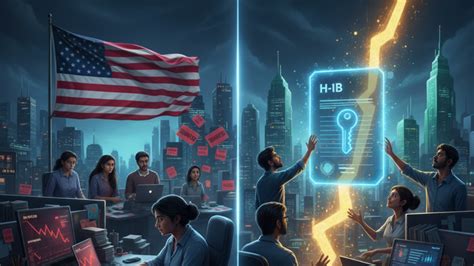
Americans were told for thirty years that the H-1B visa program brought in the world’s finest minds—brilliant engineers and irreplaceable specialists no homegrown graduate could match. Think of it as hiring a surgeon for a delicate operation, only to discover his medical degree was printed at a strip mall copy shop. You’d want your money back. At minimum.
That analogy isn’t far off. The H-1B program currently keeps roughly 750,000 foreign workers in American jobs, with another 120,000 arriving each year. Meanwhile, the New York Federal Reserve reported this week that the combined unemployment and underemployment rate for U.S. computer science graduates sits at 26 percent. For all recent college graduates, underemployment hovers around 40 percent. American students are earning degrees, building skills—and getting shut out of careers they were supposed to secure.
So where exactly are all these “jobs Americans can’t do”? The most damning indictment of this system didn’t come from a populist firebrand or a laid-off programmer. It came from Vivek Wadhwa, an Indian-born Silicon Valley investor who personally profits from the H-1B pipeline. This isn’t some disgruntled ex-employee with an axe to grind—this is a man who makes money off the program.
In an interview with Mark Halperin, Wadhwa admitted: “You have people faking their resumes. So you have these body shops who bring people in, and it’s cheap labor. It happens… Probably about 20-25 percent of the people who come in on H-1B visas fall in that category.”
That means roughly one in four H-1B visa holders are fraudulent—translating to approximately 170,000 Americans currently holding jobs built on fabricated credentials. Wadhwa also conceded what American workers have known for years: “The anti-immigrants rally against H-1B visas because they say that they suppress wages and they put Americans at a disadvantage, and I hate to admit this, but that does happen.”
The Department of Justice has already sued companies hiding required job postings to fast-track foreign workers. Additionally, Department of Labor Inspector General Anthony D’Esposito is investigating what he calls a criminal enterprise extending beyond U.S. borders. These aren’t small fixes—they acknowledge the rot runs deep.
Here’s what keeps people up at night: It’s the Purdue graduate with a computer science degree whose only callback came from Chipotle. It’s the experienced American director at a Fortune 500 company who trained his cheaper foreign replacement and was handed a box for his desk.
Wadhwa’s confession was strategic—he aims to save the broader program by targeting “body shops.” But he revealed more than intended: When even those profiting from the system admit it’s one-quarter fraudulent and suppresses American wages, how much more evidence do we need? The critical question remains: Will Washington have the spine to act on what everyone now knows?