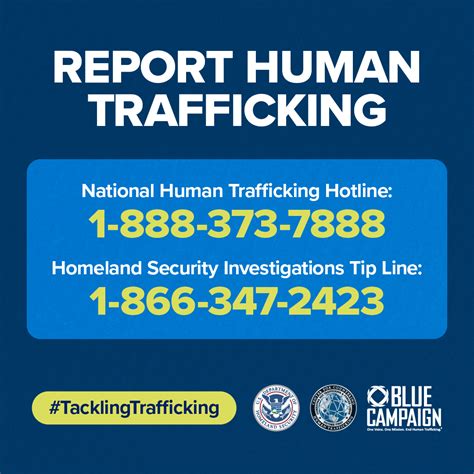
Human trafficking remains one of America’s most brutal crimes. For victims, reaching out for help often represents a desperate act of hope—sometimes the only chance they will ever have. A trafficker’s control can be so absolute that a victim might have a single unmonitored moment near a rest stop bathroom poster. One fleeting opportunity to memorize a number and dial before their captor returns. The systems designed to respond to such calls carry an unbreakable obligation: they must work.
Washington State has long positioned itself as a national leader in compassion and progressive governance, printing awareness posters and enshrining victim assistance hotlines in its statutes. Yet a recent performance audit reveals a stark contradiction. Human trafficking victims seeking help in Washington may have dialed a disconnected number that remained embedded in state law and awareness materials.
The Washington State Auditor’s Office found that some anti-trafficking laws and materials had become outdated, including a victim assistance telephone number that was disconnected for two years. The report states: “That gap created the possibility that exploited people—having seen a poster and summoned the courage to call for help—had their calls go literally unanswered.”
The Department of Commerce’s Office of Crime Victims Advocacy operated the referral line but terminated it in 2024 after determining callers expected immediate assistance the agency could not provide. While this decision was reasonable, no one removed the defunct number from state materials or laws.
The disconnected number persisted on the Department of Labor & Industries’ “Your Rights as a Worker” poster—the requirement that every employer in Washington must display by law. It also remained on county websites and the federal Office for Victims of Crime page, and was embedded in three separate state statutes: RCW 47.38.080, RCW 19.320.050, and RCW 43.280.110.
State law mandates that the Department of Commerce develop an annual anti-trafficking poster for public restrooms. The agency produced one version in 2016—a single update over a decade—despite the statutory requirement to review it annually.
Three state laws require the Department of Commerce to provide trafficking information to medical licensing boards, including doctors, nurses, psychologists, and social workers. Auditors were informed by Commerce staff that these materials had not been sent “in several years.” The Department of Health website linked to this requirement also contained broken links, still pointing to the disconnected number.
In 2024 and 2025 combined, the Department of Commerce conducted only four law enforcement training sessions across Washington. When the agency proposed delivering training at a judicial conference in 2018, judges denied it.
The audit notes that massage and bodywork facilities were the most common venues for sex trafficking reports to the national hotline in Washington during 2024. Police in Bothell shut down five illicit massage parlors this spring—some just two blocks from their station—with no awareness signage required in such facilities.
In contrast, WSDOT installed more than 400 trafficking-awareness signs at rest areas and ferries. The audit highlights a pattern of bureaucratic neglect that has persisted for years: the state’s agencies treated the issue as a filing exercise rather than an urgent priority.
The agencies responsible have given themselves until August 2027 to correct the dead number across all state materials and websites. Updating a poster requires minimal effort; fixing a phone number in statute is a legislative footnote. Yet Washington’s bureaucracy has set a deadline that spans three years for a single, critical action.