There’s a pattern in country music now, and it’s exhausting. An artist clawing up from nothing—rough childhood, hard roads, real struggle—gains heartland embrace as their brand becomes their story. Then, one day, the phone rings from Los Angeles, and suddenly those who built that career become the punchline.
This trajectory is as predictable as a three-chord country song, though this version isn’t set to music. It unfolds behind a late-night desk, complete with vulgar jokes about the sitting President of the United States and a dismissive wave toward the fans who made it all possible.
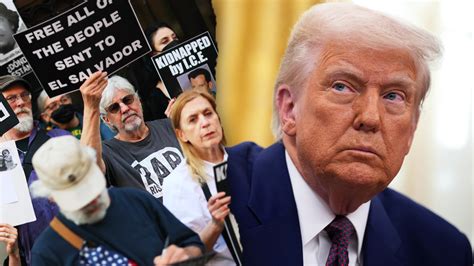
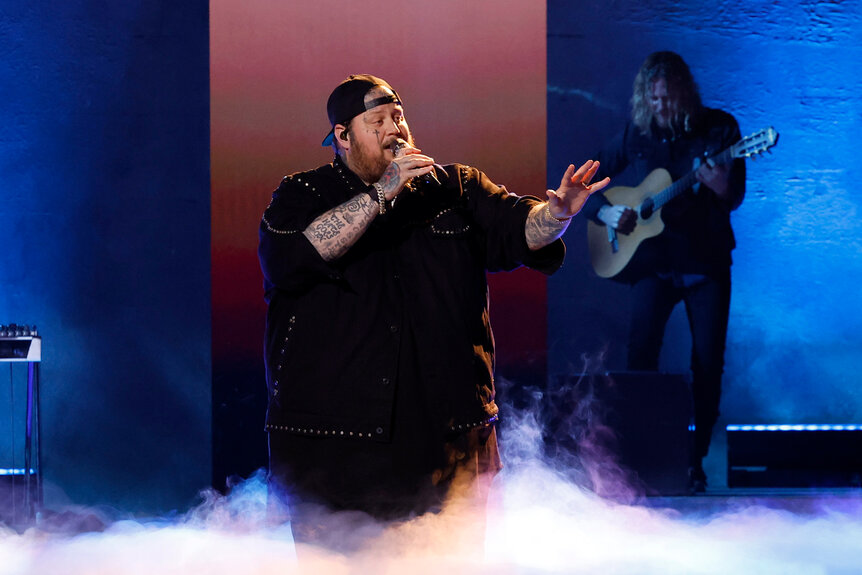
Country music megastar Jelly Roll told angry fans to stop listening to his music if they disliked his jabs against President Donald Trump. On Jimmy Kimmel Live!, Jelly Roll guest-hosted this week and used the opening monologue to mock the president. He referenced a Washington Post report about Trump’s weight, claiming that his own 300-pound weight loss meant he had “lost an entire Donald Trump.” He then added that “based on his approval ratings, it seems like most of the country wants to do the same thing.” Jelly Roll labeled both himself and the president as “fat pigs,” included a penis joke, and mocked Trump’s flag-waving at the Freedom 250 Grand Prix.
When conservative fans pushed back online—calling him a “traitor” and a “fraud” who abandoned his “blue-collar, working-class” image—Jelly Roll doubled down. “For those who threatened to stop listening to my music based on my comments last night, I just want to say with conviction: go right ahead,” he told viewers. His defense? He was hosting “a damn late-night show” where you “talk about the news and make jokes.”
The outrage machine fired up immediately. Social media accounts branded him a sellout. Florida Representative Jimmy Patronis announced Jelly Roll was “100% not welcomed” in the Panhandle, though he could not name a legal mechanism to enforce that declaration—a move as binding as a strongly worded tweet.
Conservative fans have every right to spend their dollars elsewhere. Yet there’s a gap between principled consumer choice and reflexive rage that mirrors the cancel culture the right has spent years dismantling. Fat jokes about politicians are as old as editorial cartoons. A sitting congressman theatrically banning a musician from his district isn’t serious governance—it’s cosplay.
The real question isn’t whether Jelly Roll told tasteless jokes. It’s what his response to his fans exposed: he chose the Kimmel stage to mock the president his core audience supports—then told those fans to take a walk if they didn’t approve.
On that same Kimmel show, Jelly Roll paid tribute to Dolly Parton, calling her “the last American that everyone liked.” He’s right about that. But has he considered why she earned that distinction?
Dolly grasped something fundamental: when the people claim you as their own, you honor that bond. She spent decades deflecting political pressure with grace and humor. “I’m not in politics,” she said, “I’m an entertainer.” She respected audiences spanning every political divide.
Jelly Roll, by contrast, chose to mock the president his fans support and told them to leave if they didn’t approve. That’s not bravery—it’s Hollywood’s counterfeit version of being genuine.
The disappointment here isn’t the jokes themselves. Presidents have weathered worse, and Trump isn’t losing sleep over a late-night monologue. The real sting is the dismissiveness—this “go right ahead” lobbed at the very people who bought tickets, streamed records, and invested in his redemption story.
Should fans boycott? That’s their decision. But don’t mistake face tattoos and a trailer-park backstory for authenticity. Genuine character is measured by how you treat the people who believed in you when the rest of the world hadn’t caught on yet.
Dolly never forgot where she came from. This week, Jelly Roll left everyone wondering whether he ever truly remembered.